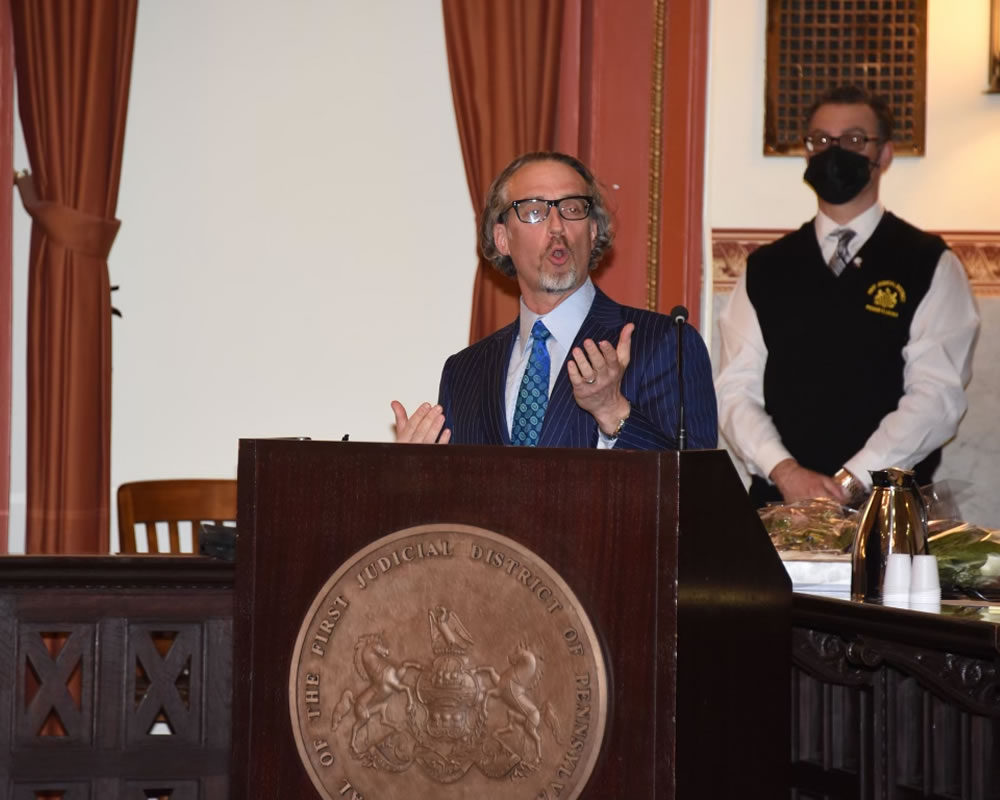
Although surrounding counties, the state and federal prisons allow prisoners to view digital evidence by themselves, Delaware County doesn’t — and the county is fighting the issue all the way up to Commonwealth Court.
Over the last five years or so, there’s been what one attorney said is an explosion of digital evidence, such as body camera footage, cellphone videos, text messages and phone calls. While inmates in the George W. Hill Correctional Facility and other facilities, can view paper documents on their own, that’s not the case with digital evidence.
Some attorneys are saying this is a violation of their clients’ civil rights.
“We have this flood of digital information we get anymore,” criminal defense attorney Michael Malloy said.
In one case, he said a client has over 1,000 hours of calls to evaluate.
“They will only allow an inmate to review it if the attorney is sitting next to him,” Malloy said of the procedures at George W. Hill. “He has no right. or she has no right. to go over the discovery on their own. I just don’t get it. They say they don’t have the room.”
Delaware County officials were asked a list of questions in response to issues raised in this article.
They provided a response through this statement: “The County is committed to ensuring that the jail remains secure, and that the detainees in our care have access to every resource they are entitled to by law. The logistics of allowing access to digital discovery materials, which can be hundreds of hours of video or audio files, are complex and challenging. The County is working with all stakeholders to come to a solution that will give detainees greater access to digital materials safely and providing the appropriate tools and environment for detainees to review this material.”
Criminal defense attorneys shared their experience at Delaware County’s prison.
“You’re not allowed to bring your own computer,” Brian Malloy said, adding that this applies only to private attorneys. “We need to rely on the equipment that the prison has.”
Public defenders, who are county employees, can bring their county-issued computers into the facility.
Then, Malloy added, “You have to sit there while they view it.”
Plus, Malloy said there is no private viewing area.
“You have to do it in the main visitation room, which is a wide open space,” he said, adding that there can be up to 40 to 50 people in that room at a time.
Then, there’s an issue of access to client.
“You could spend eight hours sitting out there and still have not getting through all the material,” Malloy said, adding that there’s four computers and one plug-in, but availability can be a problem.
Plus, Malloy said it seems random to him when the prison does counts, limiting time with his client even more.
Another defense attorney, Mark Much, said Delaware County is an outlier.
“Every prison surrounding us allows inmates to review discovery electronically,” he explained. “What they’re saying is we’re not going to allow the defendant to view it without his private counsel present while he does so. It’s such a violation of due process. It’s violation of fundamental rights.”
He, as other attorneys, have said there’s an imbalance.
“The justice system is supposed to be premised on the notion that the rich and the poor are treated equally,” Much said. “Now it’s how much can you pay. Not to mention that most of the people affected by this are African American.”
So, he said, if you’re a defendant and your family has money and you can post bail, you can review your discovery — paper and digital — at will whenever you want.
“The No. 1 reason they can’t see it is because of the economics of it,” Malloy said. “They can’t pay the $1,000 bail. It sets up a bifurcated system.”
In his case representing Ernest Baxter, Much said there’s a minimum of three bankers boxes of evidence that he could copy.
“Even if my guy had unlimited funds, the prison does count four times a day,” Much said. “We have four hours a day to sit there with hundreds of hours of discovery.”
A prison count means all inmates return to their holding areas and are physically counted.
Plus, private attorneys are not allowed to bring laptops or cellphones into the facility.
On Sept. 19, Delaware County Common Pleas Judge Richard M. Cappelli Jr. ordered that the county prison must provide Baxter computer access and that the prison was prohibited from requiring Much to sit with him as he reviewed digital evidence.
“When he grants our request to view the discovery electronically, then the county hires lawyers to try to intervene to stop it,” Much said.
By Oct. 25, Cappelli denied the county’s motion to intervene and vacate the order, once again telling them to provide computer access and to allow Baxter to view digital discovery on his own.
On Nov. 12, Delaware County filed a motion to appeal Cappelli’s orders to the Commonwealth Court.
“You have constitutional guarantees that are being violated,” Much said. “It’s just horrible. It just is.”
Much said this isn’t a problem in other prisons.
“It’s not complicated,” he said. “It’s this court and county butting heads. It’s like the courts are trying to accommodate the defendants and the county’s saying it’s costing us too much money, but it’s not. You have facilities there, you have rooms.
“We’re seriously considering civil rights violations,” Much said.
Malloy is perplexed by the situation.
“I don’t get it,” he said. “I don’t really get it.”
He said that when he gets to see his client — which is an issue in itself — it’s in an open cafeteria-like room where other inmates are within a few feet of the table, allowing for the potential for them to take advantage of any information they overhear between the defendant and attorney.
“It’s designed like a cafeteria, there’s really no privacy,” he said.
And, like other attorneys, he questioned the amount of time available to his client.
He said he’ll go to the prison at 2 p.m., his client comes down at 2:30 p.m., then at 3:15 p.m., his client has to leave for count. Then, he added there’s only one usable outlet in the visiting room for these purposes and if another attorney is using it, he’s out of luck.
Malloy said the correctional officers there are doing all they can. He said he visits five different prisons and none are like Delaware County.
“At the end of the day, I think it’s county council’s problem,” he said, adding they should allocate money to build some rooms. “Don’t require the attorneys to sit there. The person that it punishes is really only the accused. They want the lawyer to just sit next to a guy while he goes through his discovery. There’s no room at the inn for these people even though it’s Christmas.”
Similar sentiments were expressed through defense attorney Michael Diamondstein in his motions representing Donte Hill, who was sent to the George W. Hill Correctional Facility on Aug. 25, 2023, after being charged with a murder in Upper Darby.
Hill’s trial is set for Feb. 10, 2025, 527 days after his arrest.
In court documents, Diamondstein has argued that Hill’s rights in the Sixth and 14th Amendments are being violated for a speedy trial as well as those provided by Rule 600 of the Pennsylvania Code that requires that a trial be held within 365 days of the date on which a complaint is filed.
Attorneys can ask for charges to be dismissed if the Rule 600 provision isn’t met.
In this case, Diamondstein has said there are hundreds of thousands of pages of documents and scores and scores of hours of video, not including photographs, cellphone messages and text messages to be reviewed.
“It is not hyperbole to suggest that it may take Mr. Hill hundreds of hours to go through it,” Diamondstein said in court documents, noting 16.2 gigabytes of discovery made up of 1,506 files.
And, with cellphone evidence, it’s not just a click, he explained. There are three cellphones involved in this matter and in one alone, there are 58,420 photographs and 18,544 text messages.
He has argued his client has the right to view these on his own.
“With all due respect to the jail, the undersigned (Diamondstein) is neither a librarian nor a babysitter,” he wrote, adding “It is the job, albeit the duty, of all lawyers to represent their clients by offering legal stewardship of their cases. Nothing in a lawyer’s duty demands that he/she chaperone an adult whilst they read.”
Diamondstein filed a motion to compel computer access in January and it was met with opposition by the Delaware County Jail Oversight Board solicitor Shelley R. Smith.
“Mr. Hill doesn’t know how Archer & Greiner charges Delaware County to be their solicitors,” Diamondstein wrote. “However, he can make an educated guess that Archer & Greiner gets paid for the work that it does. Generally speaking for attorneys, more work equals more pay.”
Common Pleas Judge G. Michael Green signed an order on June 12 compelling the prison provide computer access to Hill and prohibiting the presence of counsel for him to review his digital discovery.
It was stalled as the county required Hill to purchase separate equipment to view it.
In the meantime, in documents the county has filed, Smith has questioned the county court’s ability to hear this matter.
Smith said the county court has no jurisdiction over pretrial conditions of confinement and that courts have been mindful of the “very limited role that the courts should play in the administration of detention facilities.”
Plus, she questioned Hill’s independent right to review discovery materials.
“Indeed,” Smith wrote, “Pennsylvania law is clear that a criminal defendant has no right to review criminal discovery independent of his counsel.”
In a January email Diamondstein wrote to Warden Laura Williams of the need to address modern evidence materials.
“In 2024, with all of the video and computer evidence, inmates need reasonable access to a computer to review their discovery and help prepare their defense,” he said. “Computer evidence is now the norm. Jails all over are finding ways to allow inmates to review evidence while maintaining security.”
They are.
Bucks County spokesman James O’Malley said attorneys are allowed to bring their laptops to review electronic discovery privately with their clients in designated attorney rooms for defense counsel meetings.
Additionally, he added, attorneys may transfer electronic discovery to removable media and provide it to the jail for the inmate’s access. The facility offers two air-gapped laptops equipped with software to view videos and read documents. Inmates can request to use these laptops in an interview room to review their discovery materials stored on the removable media.
In Montgomery County, after obtaining a court order from a judge, attorneys can drop flash drives with multimedia discovery off at the jail made available to be viewed in the law library, according to Megan Alt, county communications director.
In addition, clients can view the discovery in the law library and in some cases on their housing units at their own pace.
Attorneys can bring laptops into the jail to review discovery during official visits but approval must be obtained first, Alt said.
In Chester County, George Roberts, deputy warden of treatment, explained that if an inmate has an attorney, the prison has private rooms for them to meet.
He explained that digital discovery is downloaded onto a flash drive and that in most cases, attorneys must be present for their clients to view this material.
However, Roberts said, exceptions are made in cases where there are voluminous amounts of discovery.
“In situations where there’s a large volume, there’s usually a phone call from the DA or the judge,” he explained. “We do what we can. We work with them, they work with us. We don’t have any people complaining be it from the attorneys or be it from the inmate side.”
The state has a similar policy.
“We allow digital discovery to be viewed/listened to by an inmate on a case-by-case basis,” Maria Bivens, press secretary for the Pennsylvania Department of Corrections, said. “The inmate will work with their facility Corrections Superintendent Assistant (CSA), the Office of Chief Counsel and the facility security office to listen/view the digital files law library time, unless something specific is ordered by court.
She said inmates typically review their material in the facility security office or the law library, or whatever space is available.
In addition, Bivens said inmates can review their materials by themselves.
Donald Murphy, spokesman for the Federal Bureau of Prisons of the U.S. Department of Justice, explained that in some circumstances, an inmate may access litigation documents in various electronic formats rather than in printed form.
Electronic legal materials for inmate review should be provided by an attorney on a storage device appropriate with the maintenance of the safety and security of the institution and compatible with the configuration available at the institution, he added. Any specific requests should be directed to the warden and any devices such as hard drives and thumb drives must be scanned for viruses.
According to their procedures, materials are made available in the inmate law library when practical and that inmates are to be given a reasonable amount of time, usually during their leisure time, to do legal research and to prepare legal documents. There are times they can prepare their documents in their living quarters.
Attorney visits in federal prisons are to take place in private conference rooms, if available, or in a regular visiting room in an area and at a time designed to allow a degree of privacy.
In the end, one private attorney summed up his vision for the Delaware County prison.
“I think what everyone is asking … to have better access to the prisoners, a private room and the proper equipment available,” Brian Malloy said.
See what the local and national media are saying about Michael Diamondstein and his cases.
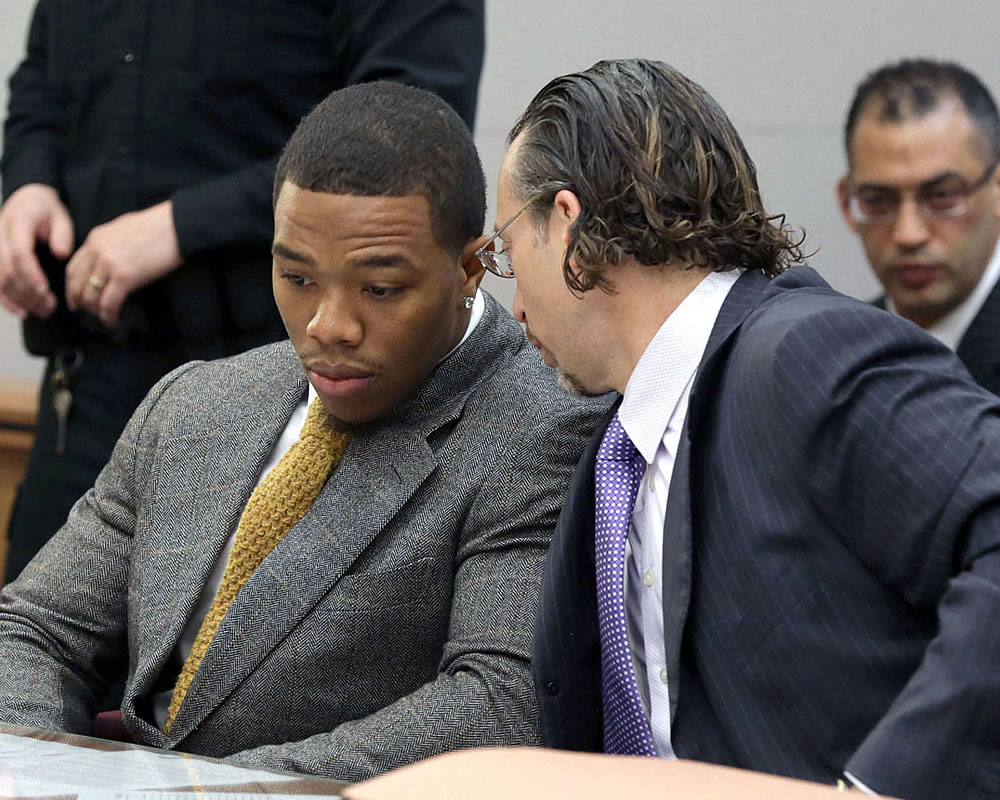
Baltimore Ravens running back Ray Rice will be allowed to enter a program to avoid prosecution in an alleged assault of his now-wife. Upon successful completion of the program — which will be a minimum of one year — the third-degree charge of aggravated assault causing serious bodily injury would be dismissed. The arrest would remain on his record, but with no conviction.We were concerned that Mr. Rice would be treated more harshly because of his celebrity status. We are thankful that he was not. We are thankful that he was given the same treatment as anyone else in a similar situation.
- Michael J. Diamondstein
John Gallagher, founder of Gallagher Law in Philadelphia, has been indicted in federal court alongside other executives associated with aerospace startup Theia Group Inc. The indictment alleges involvement in a scheme where Theia falsely claimed plans to launch over 100 satellites for global surveillance, raising more than $250 million through fraudulent means. Gallagher, who served on Theia's board and as an executive vice president, is specifically accused of aiding founder Erlend Olson in financial misconduct and tax evasion activities. Gallagher, who specializes in space and satellite technology law, denies wrongdoing and intends to vigorously defend against these charges.“He [Gallagher] is a patriot, and we intend to vigorously defend his good name.”
- Michael Diamondstein

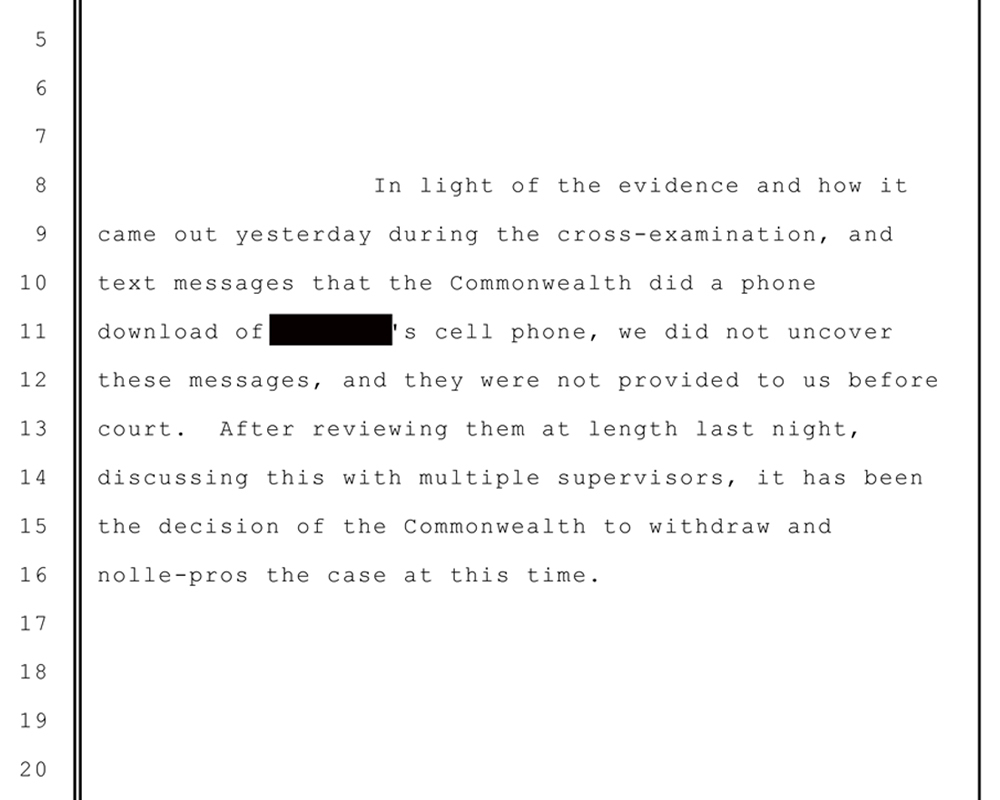
DT had spent three years in jail and was facing lifetimes more for multiple counts of child rape in Pennsylvania and Maryland. But Michael Diamondstein’s thorough investigation and strategic cross-examination forced prosecutors to withdraw their case mid-jury trial.“Michael Diamondstein is the best lawyer on Earth. He saved my life.”
- DT
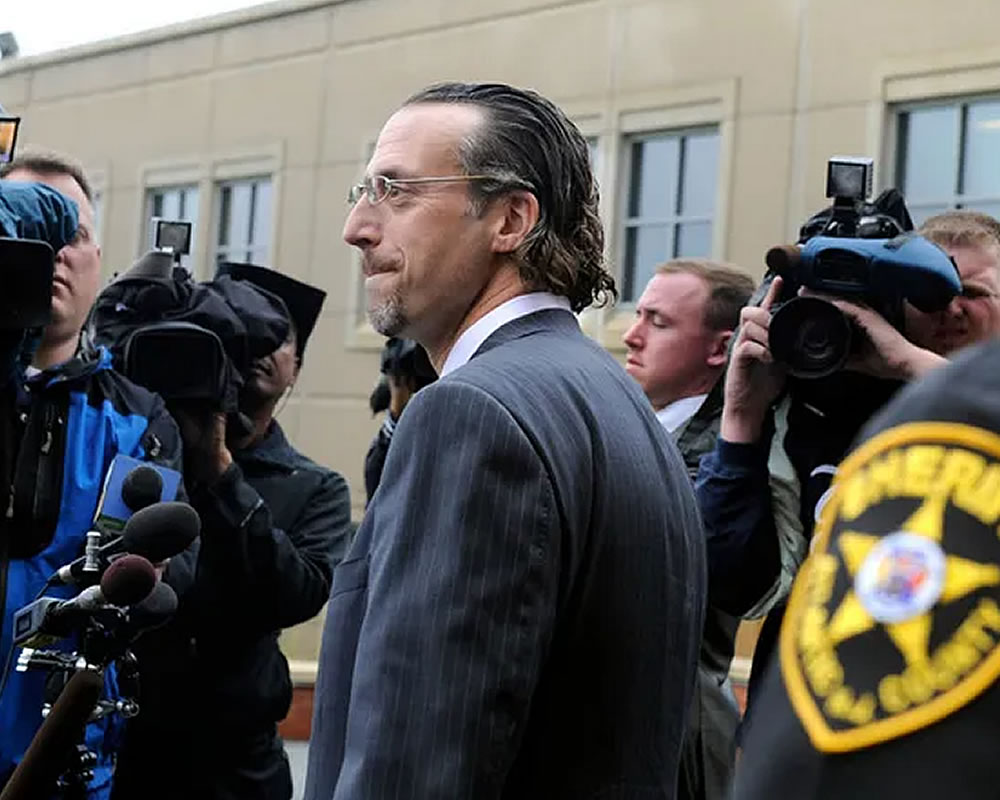
Mark Young had been serving a life sentence for what prosecutors say was his role as a coconspirator in a 1974 bar robbery that ended in the shooting death of a patron. The 67-year-old Young, who maintained his innocence for almost 50 years, is now slated to be released from prison after a negotiated guilty plea. The judge vacated Young’s previous conviction and sentence.“The district attorney recognized the inequities in the case and we are thankful for the compassion and justice they decided was appropriate.”
- Michael Diamondstein
Willie Stokes's release comes after the U.S. District Court for the Eastern District of Pennsylvania vacated his murder conviction, concluding that the state violated Stokes's constitutional rights by "withholding" crucial evidence about the false testimony of a key witness in the case, according to court documents.He took his first free breaths this afternoon after almost 40 years, and he is very happy and humbled.
- Michael J. Diamondstein
Despite that fact that multiple videos showed local rap singer, Monte Small Atwell aka Benjy killing the decedent, a Philadelphia jury found Mr. Atwell Not Guilty of Murder. The video clearly showed that the unarmed decedent was chasing Mr. Atwell. Mr. Atwell’s attorney, Michael Diamondstein litigated a very effective self-defense case. After a number of withering cross examinations and a closing wherein Mr. Diamondstein exhorted the jurors that his client “would rather be judged by 12 than carried by 6” the jury agreed that Mr. Atwell’s actions were justified.Mr. Diamondstein saved my life. He is the best there is.
- Monte Small Atwell aka Benjy
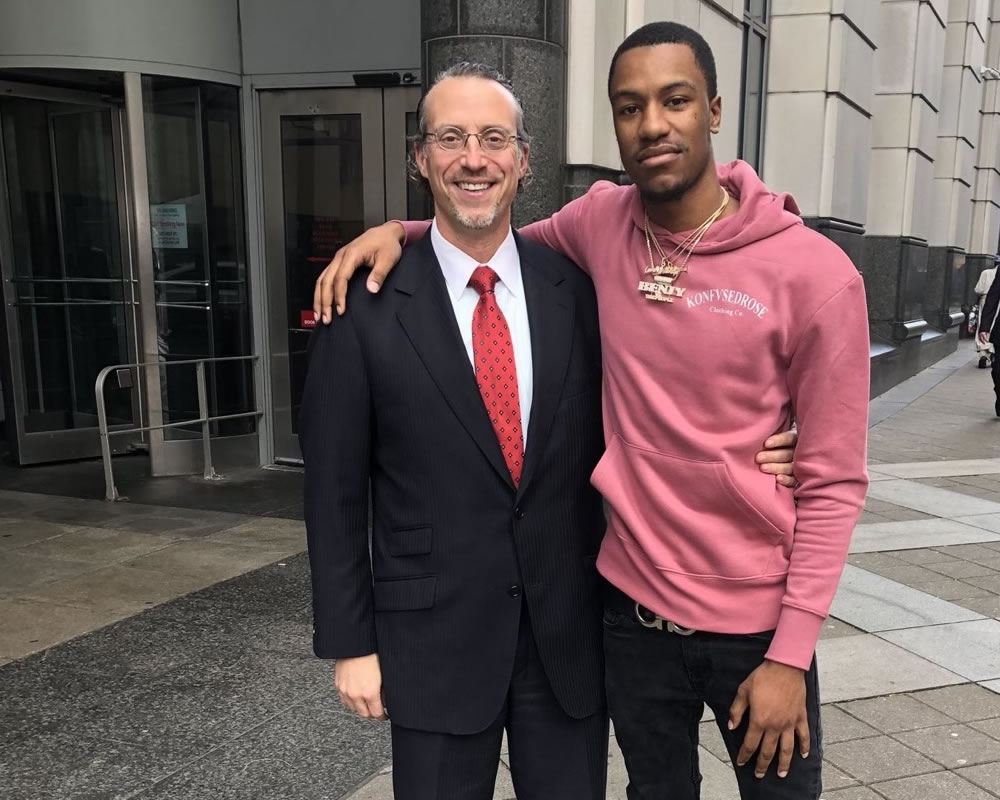
Six members of an elite Philadelphia narcotics squad were acquitted of federal corruption charges – a verdict the men described as “vindication” after nearly a decade of federal scrutiny surrounding their conduct. A jury of six men and six women took 5 1/2 days to reject prosecutors’ arguments that former Officers Thomas Liciardello, Brian Reynolds, Michael Spicer, Perry Betts, Linwood Norman, and John Speiser routinely beat and robbed drug suspects during their time as members of the Narcotics Field Unit.The things that were said about these honorable men and police officers over the last eight to 10 months were ridiculous. A lot of people in this city owe these heroes an apology.
- Michael J. Diamondstein
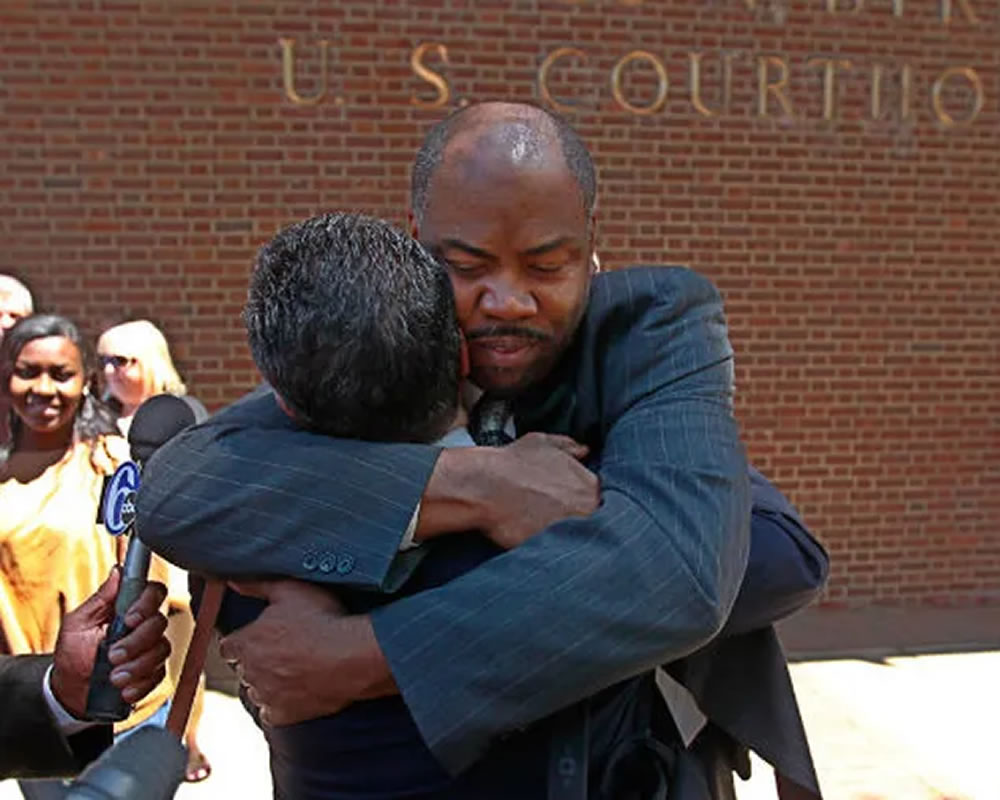
Philadelphia District Attorney Seth Williams pleaded not guilty to 23 counts of fraud, extortion, and bribery-related charges. But the problems of the city’s cash-strapped top prosecutor continued to mount outside the courtroom, a day after federal authorities accused him of repeatedly selling his influence to wealthy benefactors willing to bankroll his luxury tastes.This indictment is 24 hours old and yet too many politicians and commentators have already tried and convicted Seth Williams in the media. Simply because the government makes explosive allegations in a complaint doesn’t mean they’re going to prove it in a court of law.
- Michael J. Diamondstein
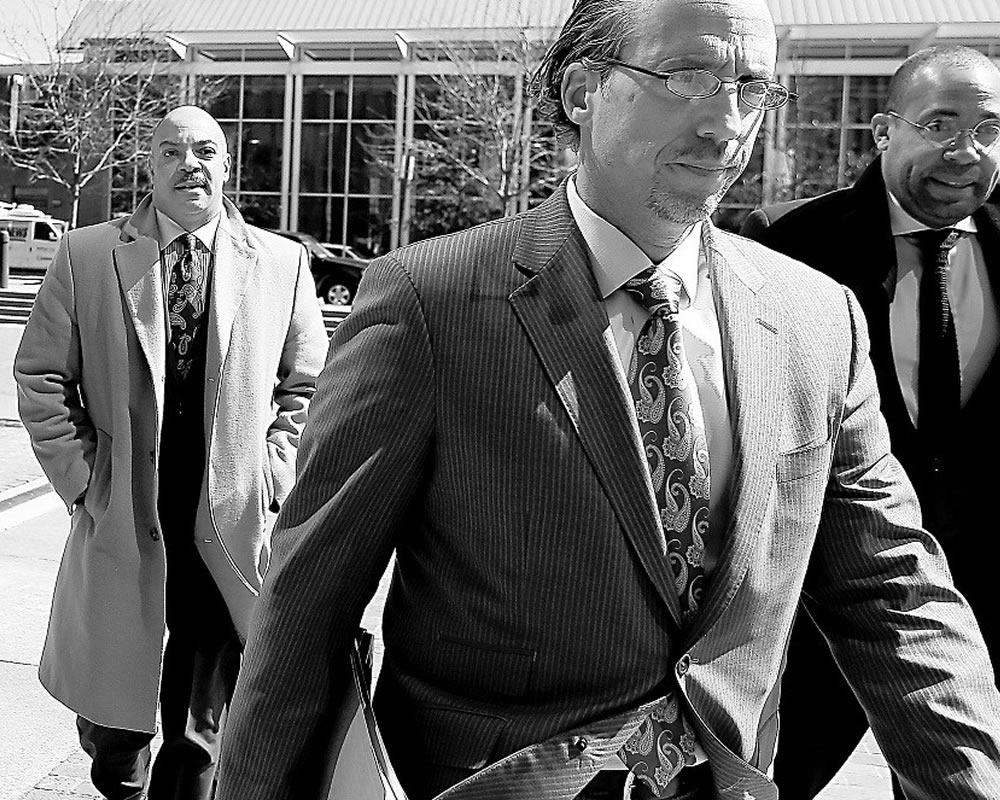
It's 8:00 on a September morning but Michael Diamonstein has already been in his office for hours. A criminal defense lawyer, Diamondstein likes to be prepared before he goes to court. That preparation paid off to get an innocent man cleared of all charges.The man gave me my life back.
- Yusef Bey
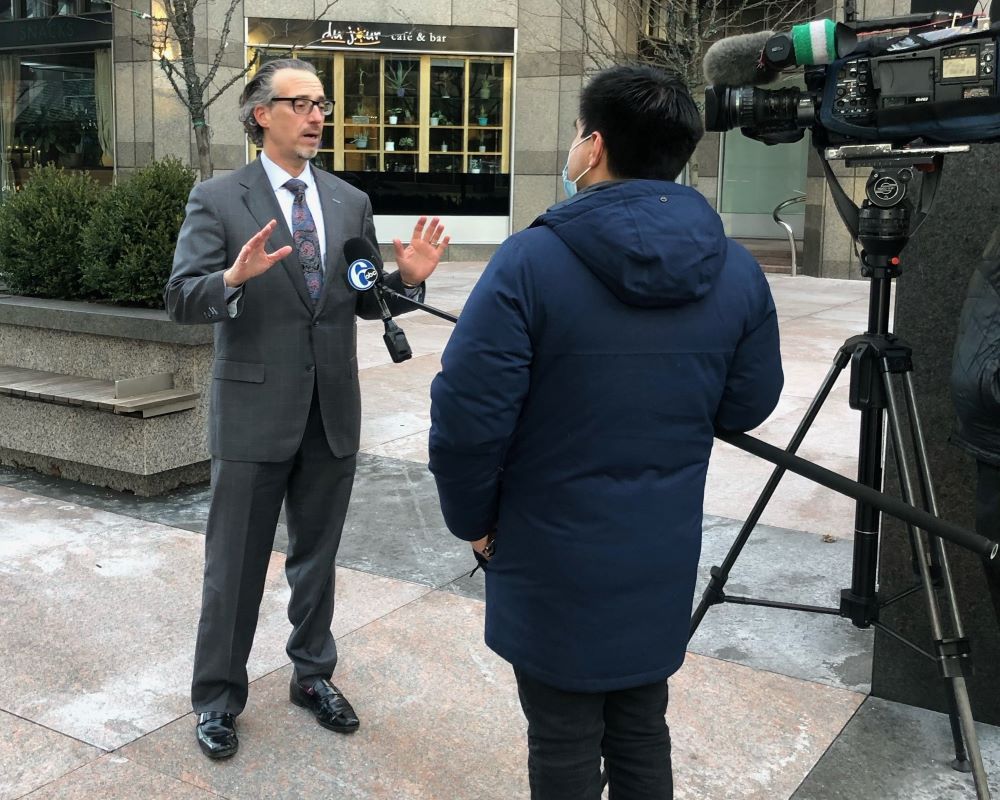
With evidence missing and the investigation tainted by the involvement of a detective who pleaded guilty to impeding justice, the District Attorney’s Office has withdrawn murder charges against a 28-year-old man, Dante Hill, in a 2011 shooting outside a North Philadelphia sports bar.Tremendous day, not only for Mr. Hill but for the entire Philadelphia justice system.
- Michael J. Diamondstein
Michael Diamondstein argued the original jail sentence is illegal because the previous judge assigned the case failed to address if Risoldi was eligible for re-entry, which would allow her to be released from jail early.Diamondstein added that Berks County Senior Judge Stephen Lieberman, who is now overseeing the case, has authority to reconsider the sentence made by the previous judge, who retired last year.