Tanayia Faber sat with her son, looking out the open window of their home along West Philadelphia Street as people and traffic milled by on a hot July morning four years ago.
Movement caught her eye a little after 11 a.m. — three guys running across the street, she said, armed with guns, including at least one with what she described as a circle thing on the bottom.
Two of the men she saw wore black clothes, and the third wore gray. They also wore masks, but from where she sat, Faber said she could see the masks’ eye holes and that the men were Black.
She didn’t see anybody come out of a house across the street from her, but the three men ran like they were chasing someone, she said.
“That’s when I heard multiple gunshots,” Faber testified before a jury on Thursday, April 16.
The gunfire wasn’t like bang, bang, she said, but instead sounded more rapid, “It was like, Drrrrrrrrrrrrrrrrr, multiple times.”
The men Faber saw ran into a breezeway, the shooting stopped, and the men came back out. She heard them laughing as they ran up the street, west from her.
Faber closed the window and called 911.
“I’m pretty sure we just heard gunshots all over the street,” she said in the call’s recording as it was played to the jury. “Three Black males. And they ran off laughing.”
Faber also told the dispatcher on the call that a victim was across the street and she could hear people screaming for help.
She testified as the first witness in a trial where York City police charged four men with ambushing, shooting and killing a man named Shaheim Carr along the sidewalk of West Philadelphia Street that hot morning of July 6, 2022.
The men on trial — Jacquez Brown, 30, Rashad Colon, 24, Furman Dennis III, 22, and Antonio Jones, 25 — each face counts of first-degree murder and conspiracy. Guilty verdicts on those charges would mean automatic sentences of life in prison for the four.
The jury is hearing four separate trials combined into one proceeding, which is expected to take two weeks, up to three, according to attorneys.
Mark Monroe, an attorney with the York County District Attorney’s Office, described the 27-year-old Carr’s death as an execution.
“His executioners were Antonio Jones, Jacquez Brown, Rashad Colon and Furman Dennis,” he told the jury during opening statements.
The four, he alleged, jumped out of a stolen Ford Fusion and opened fire on Carr as he left a house and started walking on the sidewalk along West Philadelphia Street’s 300 block.
Three of the men chased Carr down and into a breezeway. They killed him there, ran back to the car with the fourth man already behind the wheel and drove off, Monroe said, citing security camera videos that recorded the shooting.
Police have alleged that 100 bullets were fired at the scene.
Monroe argued the incident was rooted in a heated gang rivalry, based on conclusions from the investigation.
He alleged the four defendants, as members of the South Side gang, targeted Carr, who, as an alleged member of the Parkway gang, was behind the shooting death of another man named Devin Zeigler in West Manchester Township two months prior, that May.
Police and prosecutors have argued that Zeigler’s homicide was gang-related as part of charges against another defendant in that case.
Defense attorneys in this case leaped on the theory that gang retaliation was the motive in Carr’s death, criticizing it as a smokescreen to cover a lack of physical evidence identifying Brown, Colon, Dennis and Jones as the shooters.
“There’s not one piece of evidence that you’re going to hear that Antonio Jones did any ‘scary gang’ things,” Michael Diamondstein, Jones’ attorney, said during his opening statement.
Diamondstein pushed further, bringing race into an accusation that trying the four defendants together amounted to prosecutorial gamesmanship to instill bias by presenting what he sarcastically called “scary Black guys” who hang out in “those scary groups” and listen to “scary music.”
“I’m going to ask you to pay very careful attention to how the Commonwealth is attempting to tickle that little bias in the back of your head,” he argued.
Brown’s attorney, Jack McMahon, made a similar point that “this gang assumption will permeate all your thought processes.”
Rick Robinson, Dennis’ attorney, echoed that, arguing that the alleged gang involvement masks the fact that this is a case tried primarily on circumstantial evidence rather than physical evidence. He argued prosecutors won’t establish a nexus to provide a motive in the case.
“You cannot decide the case on speculation like they want you to. You have to decide the case on evidence, or lack thereof,” he said.
The destination of this case, from the start of the investigation in July 2022 to the trial now, took a convoluted route, hard-fought by attorneys on both sides over the past four years, particularly on the issue of how police identified Jones, Brown, Colon and Dennis as the suspects.
Colon’s attorney, Jeremy Williams, pointed out during his opening statement that police went through up to three iterations of identifying suspects as the masked men seen on the security videos.
“This detective, Frank Clark, made three misidentifications,” Williams argued, pointing to the lead York City police detective in the case.
Brown was charged first, followed months later by Jones and Colon in 2023.
Diamondstein led a challenge that year of the evidence used to identify Jones as one of the masked shooters. The effort succeeded with a judge dismissing Jones’ original case with an order arguing that the process for identifying him then, “could have identified any number of Black males in York County.”
Police were allowed to delve back into the case and continue investigating. That led to renewed charges against Jones in 2024, and the filing of charges against Dennis, identifying him for the first time as the suspected fourth shooter.
The new charging documents also introduced the alleged gang rivalry information into the case for the first time.
The documents further showed police had changed who they originally thought each shooter was. They now allege that Colon drove the stolen Ford, Jones sat next to him, and Dennis sat behind Jones. Investigators remained certain that Brown sat in the back seat on the driver’s side.
Prosecutors have acknowledged the evidence in this case is circumstantial — the shooters wore masks and no eyewitnesses identified them.
Evidence they’ve relied on primarily includes security camera video, phone data and images taken from at least three of the defendants’ phones.
Monroe argued that investigators weren’t defeated by masks in identifying the defendants.
“The York City police proved them wrong,” he said.
Security camera video, investigators alleged, showed the Ford driving away from the scene before heading east to Spring Garden Township, where one of the shooters was dropped off near a home along Wheatlyn Drive.
Police alleged the man was Brown and that he stayed at an address there at the time.
The four defendants allegedly regrouped with a fifth man at a local hotel later that afternoon. They then allegedly went back out and drove by the shooting scene as Monroe pointed to images found on phones and other evidence of the men together.
“They couldn’t just stay there. They had to go and admire their handiwork,” he alleged, while saying video from Jones showed the group laughing and listening to a rap song.
The group went out again later that night and allegedly ditched the stolen Ford at an apartment complex in Springettsbury Township. Monroe also alleged they doused the car with cleaning products to eliminate evidence, saying so much of it was used that police were overwhelmed by the smell.
Monroe alleged that phone data put the four defendants in the car at that time.
Police in charging documents have alleged that data from the car’s infotainment center showed Jones’ phone had connected to it via Bluetooth.
Another video from his phone allegedly showed him in the stolen Ford the night before the shooting.
Brown’s phone, Monroe argued further, had images of him wearing an outfit similar to the black Adidas tracksuit as well as photos of guns similar to those used in Carr’s death.
And Colon’s phone allegedly had images of Dennis wearing a gray zip-up jacket similar to what one of the shooters wore. That shooter also wore distinctive Yeezy sneakers with a red stripe, Monroe noted.
Phone data allegedly put Colon at the shooting scene, with Monroe arguing it showed the steps he took near the Ford.
He also said that amid state forensic testing of 100 bullet shell casings from the scene, state police investigators matched to casings that were collected from another incident dating back to January 2022, where Dennis’ fingerprints were found in a vehicle.
The defense attorneys dismissed the evidence as failing to prove beyond a reasonable doubt that their clients were the shooters. Robinson and Diamondstein both referenced scientific evidence, including phone data analysis, in this case as “junk science.”
“The Commonwealth is going to produce no evidence that Antonio Jones was involved in the murder,” Diamondstein said.
The attorneys argued that investigators never recovered the guns used in the shooting.
McMahon specified that the tracksuit Brown allegedly wore wasn’t recovered either, while also arguing that Brown’s phone didn’t leave the Wheatlyn address the morning of the shooting.
Robinson and Williams argued that DNA and fingerprint testing on items found in the stolen Ford could not implicate their clients.
“None of those items in that car had fingerprint evidence, DNA evidence. No scientific evidence,” Robinson said.
The four called on the jury to pay close attention to the evidence that is presented, as well as the arguments about gang involvement.
“You are the people who are going to weigh the evidence in this case and determine what’s really fact,” Williams said.
The trial proceeded through the day on April 16, though with a detour around the lunch period.
Certain issues had arisen that led to decisions to excuse two jurors from the proceedings over their ability to proceed impartially. They were succeeded by two alternate jurors to fill the panel for the remainder of the trial.
Alternate jurors are a routine part of the trial process. They serve as backups in situations where members of the main jury have to depart the case. While alternate jurors hear the case as well, they don’t participate in deliberations unless they’re called to succeed a main juror.
The trial is expected to continue for possibly two weeks from the opening day on Thursday, April 16.
See what the local and national media are saying about Michael Diamondstein and his cases.
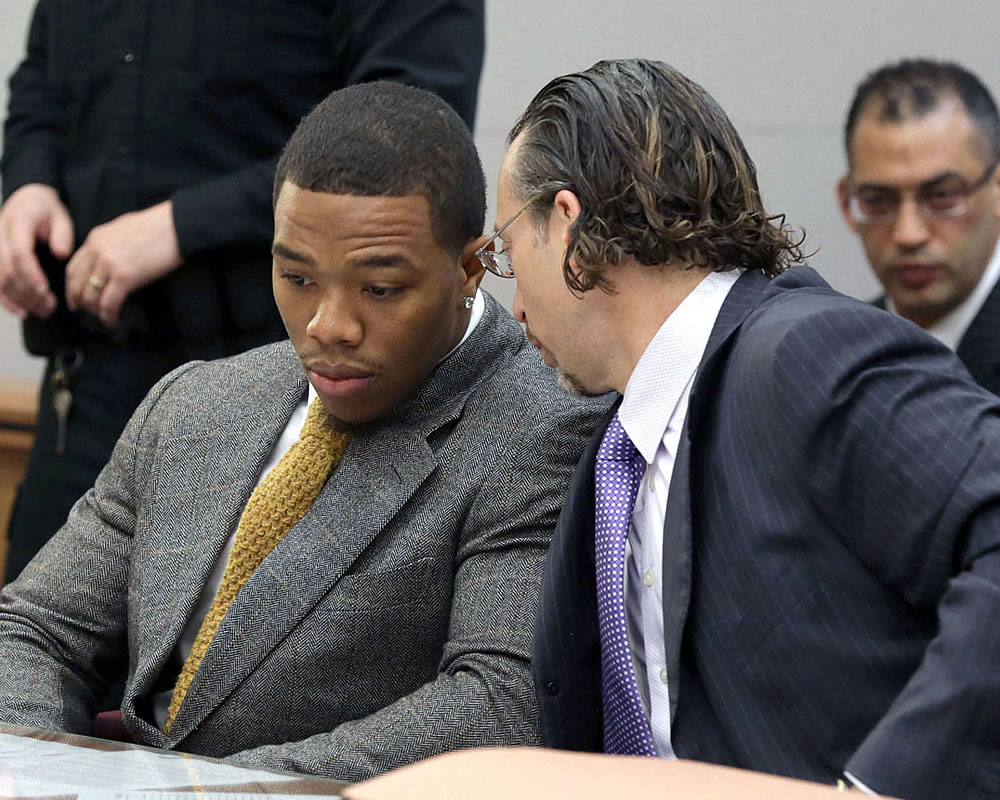
Baltimore Ravens running back Ray Rice will be allowed to enter a program to avoid prosecution in an alleged assault of his now-wife. Upon successful completion of the program — which will be a minimum of one year — the third-degree charge of aggravated assault causing serious bodily injury would be dismissed. The arrest would remain on his record, but with no conviction.We were concerned that Mr. Rice would be treated more harshly because of his celebrity status. We are thankful that he was not. We are thankful that he was given the same treatment as anyone else in a similar situation.
- Michael J. Diamondstein
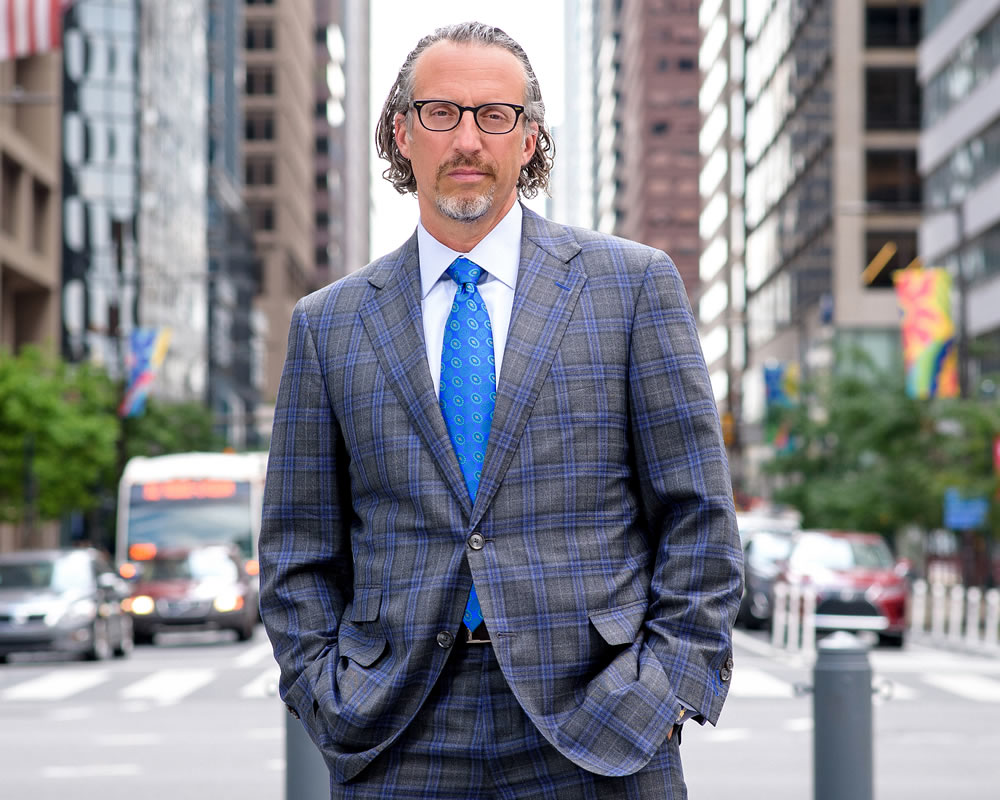
John Gallagher, founder of Gallagher Law in Philadelphia, has been indicted in federal court alongside other executives associated with aerospace startup Theia Group Inc. The indictment alleges involvement in a scheme where Theia falsely claimed plans to launch over 100 satellites for global surveillance, raising more than $250 million through fraudulent means. Gallagher, who served on Theia's board and as an executive vice president, is specifically accused of aiding founder Erlend Olson in financial misconduct and tax evasion activities. Gallagher, who specializes in space and satellite technology law, denies wrongdoing and intends to vigorously defend against these charges.“He [Gallagher] is a patriot, and we intend to vigorously defend his good name.”
- Michael Diamondstein
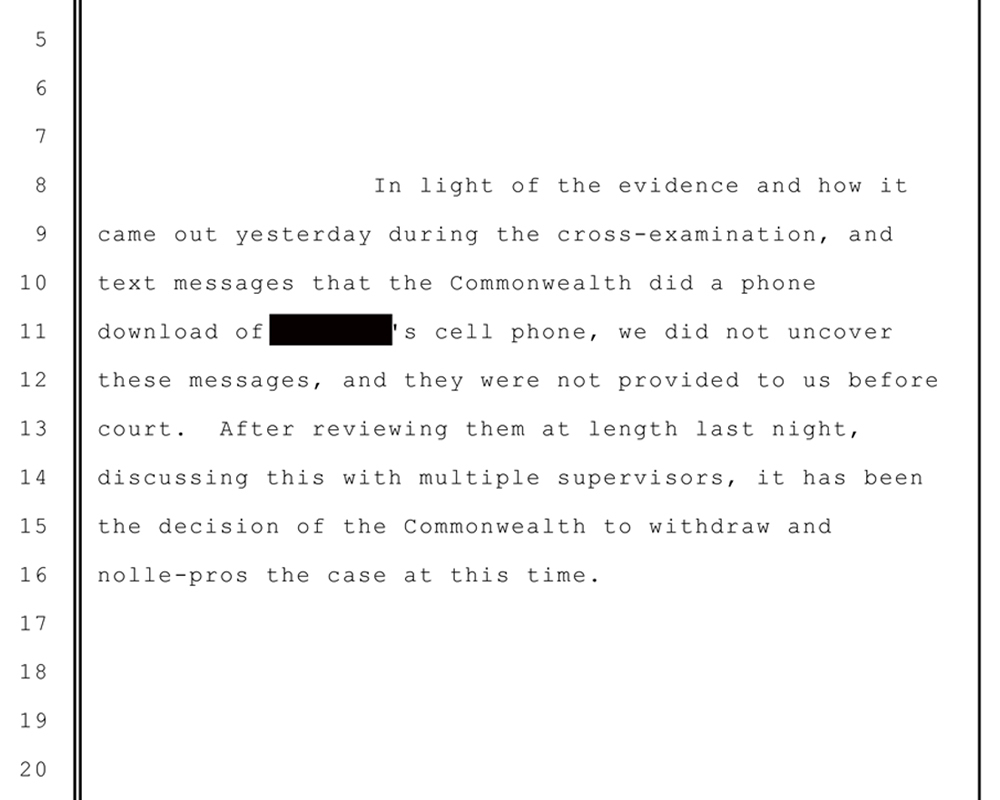
DT had spent three years in jail and was facing lifetimes more for multiple counts of child rape in Pennsylvania and Maryland. But Michael Diamondstein’s thorough investigation and strategic cross-examination forced prosecutors to withdraw their case mid-jury trial.“Michael Diamondstein is the best lawyer on Earth. He saved my life.”
- DT
Mark Young had been serving a life sentence for what prosecutors say was his role as a coconspirator in a 1974 bar robbery that ended in the shooting death of a patron. The 67-year-old Young, who maintained his innocence for almost 50 years, is now slated to be released from prison after a negotiated guilty plea. The judge vacated Young’s previous conviction and sentence.“The district attorney recognized the inequities in the case and we are thankful for the compassion and justice they decided was appropriate.”
- Michael Diamondstein
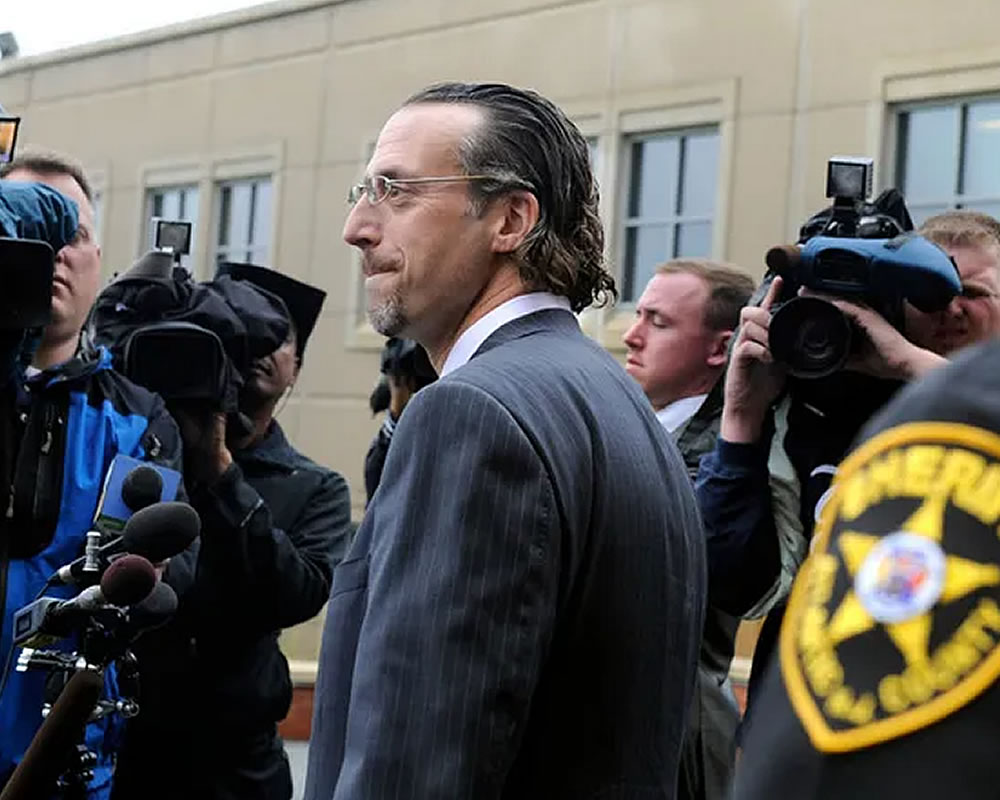
Willie Stokes's release comes after the U.S. District Court for the Eastern District of Pennsylvania vacated his murder conviction, concluding that the state violated Stokes's constitutional rights by "withholding" crucial evidence about the false testimony of a key witness in the case, according to court documents.He took his first free breaths this afternoon after almost 40 years, and he is very happy and humbled.
- Michael J. Diamondstein
Despite that fact that multiple videos showed local rap singer, Monte Small Atwell aka Benjy killing the decedent, a Philadelphia jury found Mr. Atwell Not Guilty of Murder. The video clearly showed that the unarmed decedent was chasing Mr. Atwell. Mr. Atwell’s attorney, Michael Diamondstein litigated a very effective self-defense case. After a number of withering cross examinations and a closing wherein Mr. Diamondstein exhorted the jurors that his client “would rather be judged by 12 than carried by 6” the jury agreed that Mr. Atwell’s actions were justified.Mr. Diamondstein saved my life. He is the best there is.
- Monte Small Atwell aka Benjy
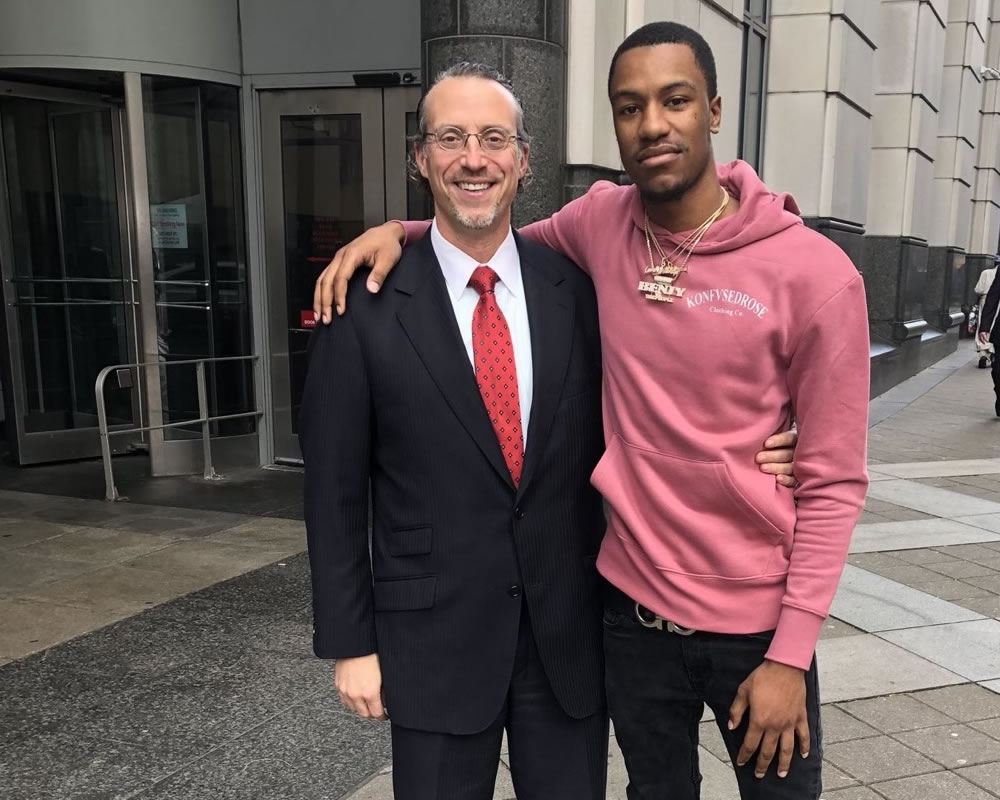
Six members of an elite Philadelphia narcotics squad were acquitted of federal corruption charges – a verdict the men described as “vindication” after nearly a decade of federal scrutiny surrounding their conduct. A jury of six men and six women took 5 1/2 days to reject prosecutors’ arguments that former Officers Thomas Liciardello, Brian Reynolds, Michael Spicer, Perry Betts, Linwood Norman, and John Speiser routinely beat and robbed drug suspects during their time as members of the Narcotics Field Unit.The things that were said about these honorable men and police officers over the last eight to 10 months were ridiculous. A lot of people in this city owe these heroes an apology.
- Michael J. Diamondstein
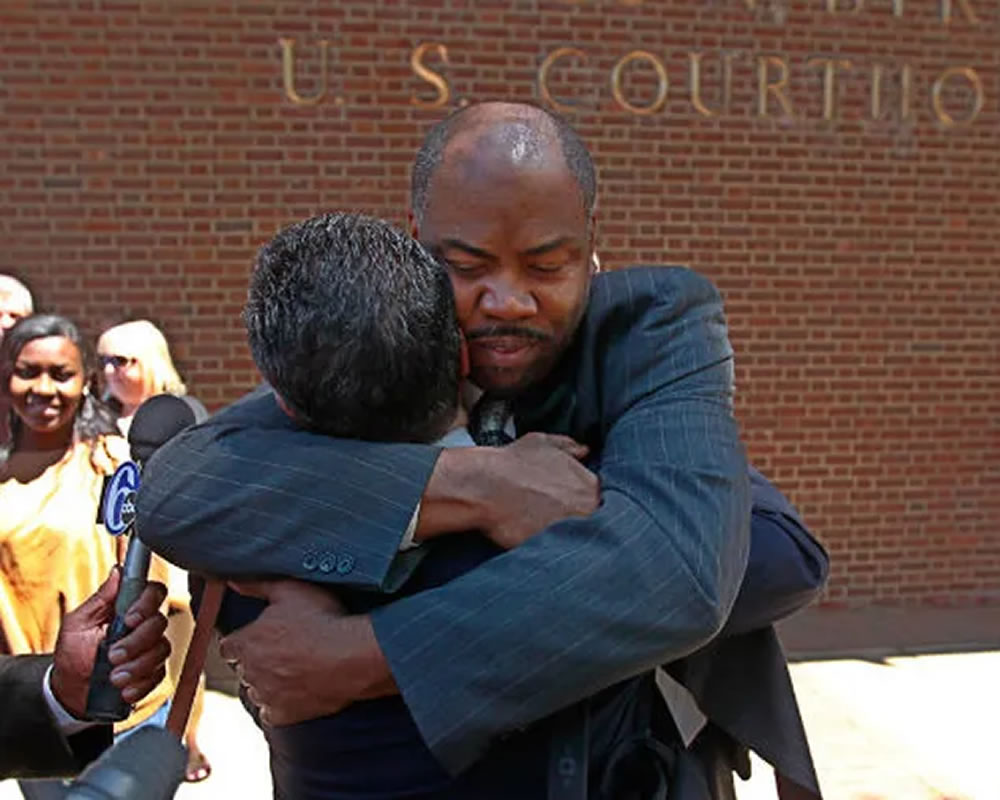
Philadelphia District Attorney Seth Williams pleaded not guilty to 23 counts of fraud, extortion, and bribery-related charges. But the problems of the city’s cash-strapped top prosecutor continued to mount outside the courtroom, a day after federal authorities accused him of repeatedly selling his influence to wealthy benefactors willing to bankroll his luxury tastes.This indictment is 24 hours old and yet too many politicians and commentators have already tried and convicted Seth Williams in the media. Simply because the government makes explosive allegations in a complaint doesn’t mean they’re going to prove it in a court of law.
- Michael J. Diamondstein
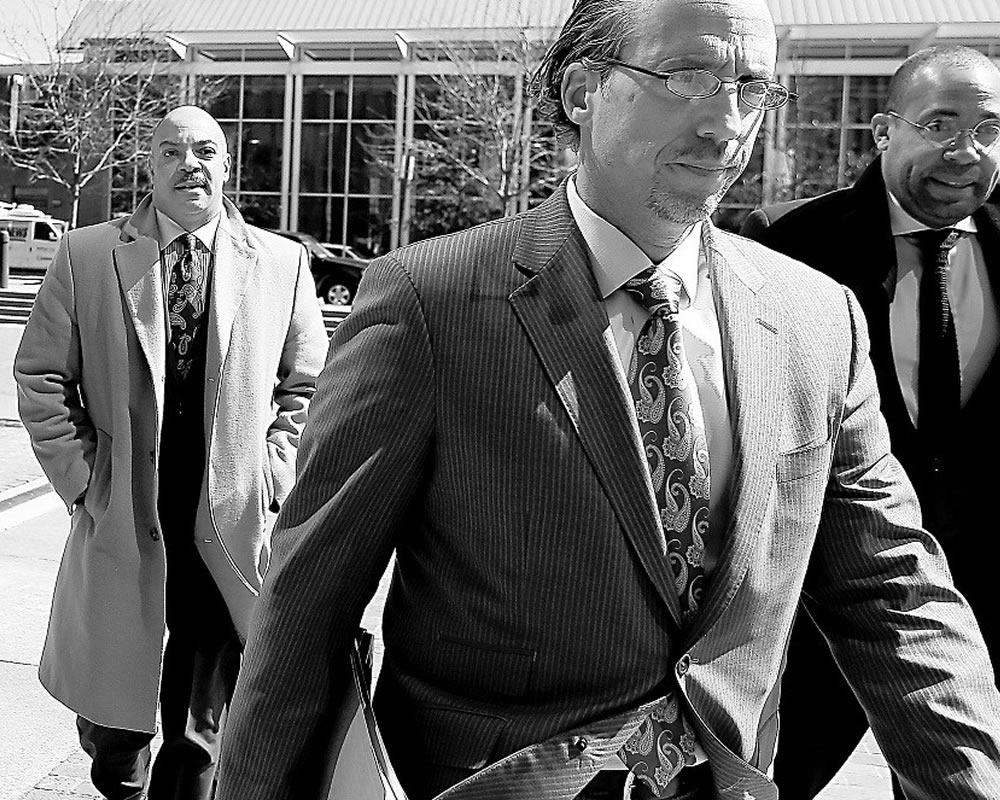
It's 8:00 on a September morning but Michael Diamonstein has already been in his office for hours. A criminal defense lawyer, Diamondstein likes to be prepared before he goes to court. That preparation paid off to get an innocent man cleared of all charges.The man gave me my life back.
- Yusef Bey
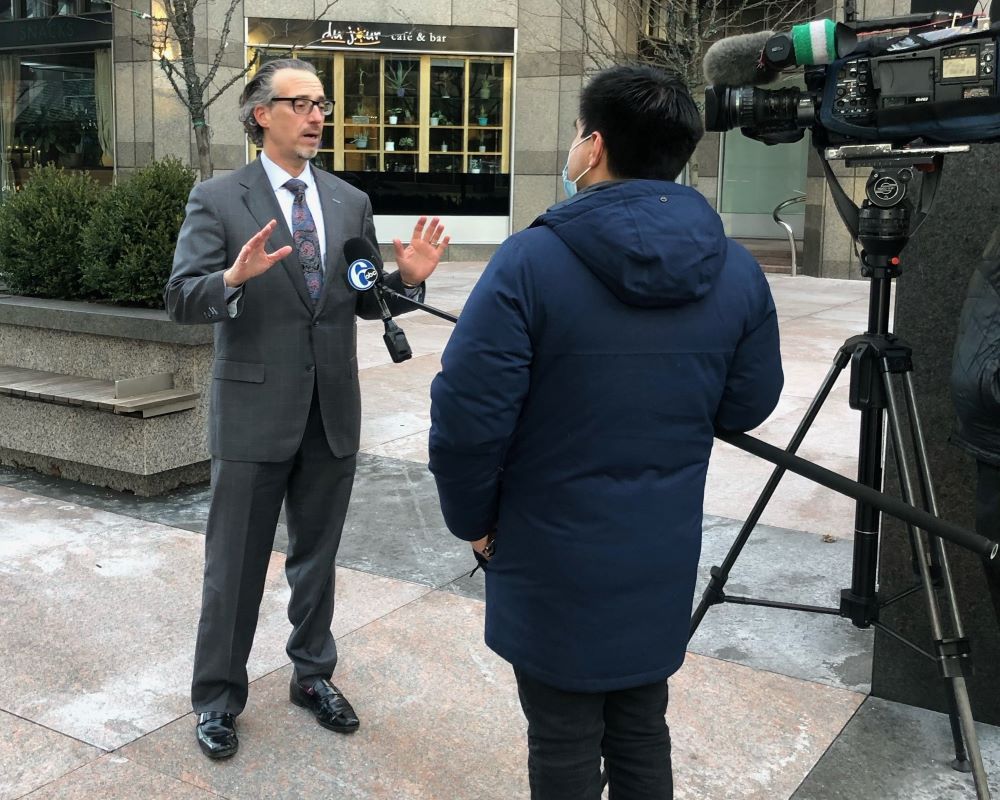
With evidence missing and the investigation tainted by the involvement of a detective who pleaded guilty to impeding justice, the District Attorney’s Office has withdrawn murder charges against a 28-year-old man, Dante Hill, in a 2011 shooting outside a North Philadelphia sports bar.Tremendous day, not only for Mr. Hill but for the entire Philadelphia justice system.
- Michael J. Diamondstein
Michael Diamondstein argued the original jail sentence is illegal because the previous judge assigned the case failed to address if Risoldi was eligible for re-entry, which would allow her to be released from jail early.Diamondstein added that Berks County Senior Judge Stephen Lieberman, who is now overseeing the case, has authority to reconsider the sentence made by the previous judge, who retired last year.