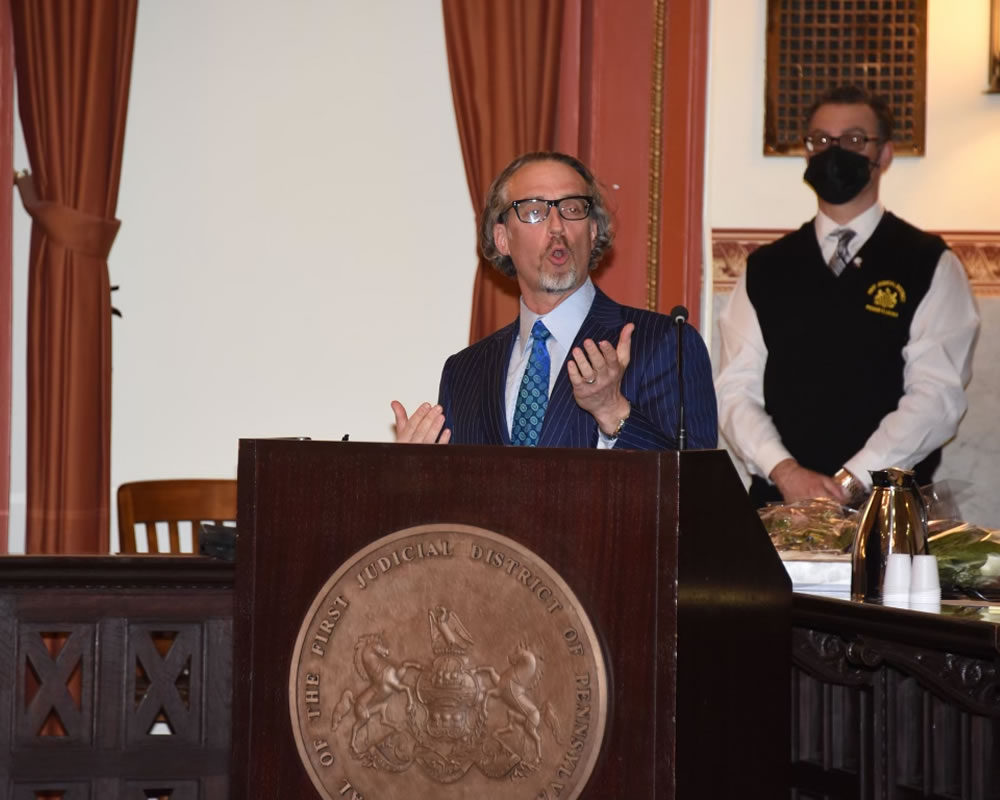
On the eve of jury selection, a defense lawyer in the rogue cops case has tossed a live grenade.
On Sunday, Michael J. Diamondstein, the defense lawyer for former Police Officer John Speiser, filed a bombshell motion to quash the federal indictment of his client.
In the motion, Diamonstein charges there is ample evidence to prove that the only witness to implicate his client in a RICO conspiracy perjured himself when he testified before a grand jury.
The perjury, Diamonstein writes, was “easily and readily identifiable by the government’s agents,” but the feds chose to willfully ignore it, exhibiting a “reckless disregard for the truth.”
If Diamondstein’s charges are true, the feds were pretty sloppy. Diamondstein claims that before a witness identified as “C.C.” perjured himself before the grand jury, the feds didn’t bother to interview C.C. or check out any easily obtained court records that plainly show the government’s witness is “an immoral, despicable and opportunistic liar.”
Diamondstein’s motion to quash the indictment was prompted by the government’s March 13th motion to withdraw counts 18 and 21 from the 26-count indictment; the feds also want to drop “Episode 13” from a greatest hits list of police misconduct alleged by the feds.
In Episode 13 of the indictment, the government alleged that on March 7, 2010, Officers Thomas Liciardello, Brian Reynolds, Perry Betts, John Speiser, Michael Spicer and Jeffrey Walker allegedly entered the residence of a person identified as C.C. on Porter Street in South Philadelphia by “kicking in the front door.”
The indictment states that the officers allegedly seized $3,200 from C.C.’s house. Then on April 18, 2010, according the indictment, Officer Liciardello, attempting “to conceal the theft from authorities,” wrote a phony Philadelphia Police Department report that said that only $196 was seized from C.C.
In their motion to drop Episode 13 from the indictment, the government has offered “no reason of record” to explain why, Diamonstein writes. The government wants to preclude Diamondstein and the other defense lawyers in the case from ever mentioning Episode 13 to the jury.
The motion to withdraw Episode 13, Diamondstein writes, is “nothing less than an attempt to hide and whitewash” a fraud that was either “negligently or recklessly” played upon the grand jury.
It’s also a “vain attempt to spare” the feds the “embarrassment and scrutiny” that will result from the disclosure that the government “called a witness that perjured himself in front of the grand jury,” Diamondstein writes.
In his motion, Diamonstein asks Judge Eduardo C. Robreno to quash the indictment, deny the government’s motion to “substantively amend the indictment,” and deny the government’s motion to preclude defense lawyers from referencing Episode 13 during the trial.
Diamonstein’s motion has been joined by lawyers for four other defendants in the case, including Linwood Norman, Michael Spicer, Brian Reynolds and Perry Betts. A hearing is scheduled in front of Judge Robreno at 8:30 a.m. tomorrow, before the start of jury selection.
In the indictment the feds claimed that six rogue cops allegedly stole more than $500,000 in cash, drugs and personal property from drug dealers while they were beating and kidnapping them, and falsifying police records to cover up their dirty work.
The cops arrested C.C. arrested on March 10, 2010 and charged him with possession with intent to distribute. C.C. went to trial and the case ended on Aug. 6, 2012 with a hung jury.
C.C. has also filed a civil suit seeking $1 million in damages from Speiser and the other five defendants.
In spite of the fact that C.C. is a primary witness in the federal racketeering case, Diamonstein charges, there is no record that the feds ever conducted a “proffer” interview session with him, sat C.C. down for an FBI “302” interview, or even took down some “rough notes” from the witness.
“The government has asserted that no 302 exists for C.C.,” Diamonstein writes. “Assuming that the government’s representations are correct, the government and /or its agents either never spoke to CC prior to offering him immunity and allowed him to testify in front of the grand jury” without ever talking to the witness.
Even thought C.C. was a “notorious drug felon with convictions for crimes of dishonesty,” Diamonstein writes, the feds recruited him as a witness to testify against the cops in the RICO case.
C.C. appeared before a federal grand jury on Feb. 18 2014.
In his motion, Diamonstein contrasts C.C.’s grand jury testimony with his testimony from his criminal trial that ended in a hung jury. The defense lawyer cites these contradictions:
— C.C. told the grand jury he was using 6 Vocoder pills a day but C.C. told the jury in his criminal case that he took 25 to 35 Percoet pills a day.
— C.C. told the grand jury he had only Vocoder in his closet, but told jury in his criminal case that he had at least 3 bottles of Oxycodone in his home.
— C.C. told grand jury he was prescribed the pills that were found in his home and that the defendants ripped the labels off of the bottles. But C.C. told the criminal jury that he did not have a valid prescription for the pills. “He instead procured the pills by waiting outside of pharmacies, waiting for random people to come out, asking them if they had Percoet pills and then purchasing the pills from the unknown pharmacy customers,” Diamonstein writes.
“The labels were ripped off by the pharmacy customers so that C.C. would not be in possession of their personal information,” Diamondstein writes.
— C.C. told the grand jury he had provided copies of his prescriptions to the judge in his criminal case, but he told the judge in his criminal case that he did not have the prescriptions.
— C.C. told the grand jury the cops stole $3,2000 from his home. But in civil lawsuit he stated he did not have any money. And when he testified before the jury in his criminal trial he never mentioned the alleged robbery.
— C.C. told the grand jury that Officer Brian Reynolds was one of the cops who kicked his door in and then robbed him. Yet the cops’ “daily attendance report and other indisputable evidence show that Mr. Reynolds was in Florida,” Diamondstein writes.
“Quite frankly the evidence of the perjury was staring the government right in the face,” Diamonstein writes. “They choose to ignore it.”
“The nature of the government’s incompetence cannot be understated,” Diamonstein writes in a memorandum of law that accompanied his motion to quash. Diamonstein said he was able, “without the aide of an investigator or a team of FBI agents” to easily find the evidence in court records that shows C.C. is a liar.
The government, Diamonstein writes, was “willfully bind to this evidence” that a second year law student or a first year detective could have dug up by simply reading a court docket online or dialing a phone.
In attempting to prevent defense lawyers from mentioning Episode 13 to the jury, Diamondstein writes, the government “seeks it insulate itself from the outrageous conduct of C.C.”
Diamonstein wrote that he should be able to show the jury in the RICO case that C.C. “sold the FBI a bill of goods.” He also wanted the right to “ask whether any of the other underwood figures upon whom this prosecution is built have done the same.”
The only witness against his client, Diamonstein writes, “has been exposed as an immoral, despicable and opportunistic liar.”
Late today, the U.S. Attorney’s office filed a response calling for the defense motion to quash the indictment to be denied, and for the government’s motion to withdraw Episode 13 from the indictment to be granted.
In the government’s response, the feds did not dispute any of contrary facts about C.C.’s testimony raised by Diamondstein. But the prosecutors denied that the government had acted in bad faith.
“In this case, the government did not become aware of a civil suit filed by C.C. until March 4, 2015,” wrote U.S. Attorney Zane David Memger and Assistant U.S. Attorneys Anthony J. Wzorek and Maureen McCartney.
“Once becoming aware of the suit, the government scheduled and met with C.C.’s attorney and C. C. and asked them about the civil filing, which contradicted C.C.’s grand jury testimony,” the prosecutors wrote. “Based upon their answers the government did not believe that it had a prosecutorial case as to Episode 13. Under those circumstances, the government moved to withdraw Episode 13 on March 13, 2015.”
“The government categorically denies the scurrilous charges that it committed a fraud upon the grand jury,” the prosecutors wrote. “In fact, the government acted promptly upon receipt of the information conceding the civil suit.”
But the prosecutors contended that the motion to quash the indictment be denied because Speiser was still a “knowing participant in the [criminal] enterprise.” By moving to withdraw Episode 13 the government “merely eliminated a superfluous allegation that the evidence did not support,” the prosecutors wrote.
See what the local and national media are saying about Michael Diamondstein and his cases.
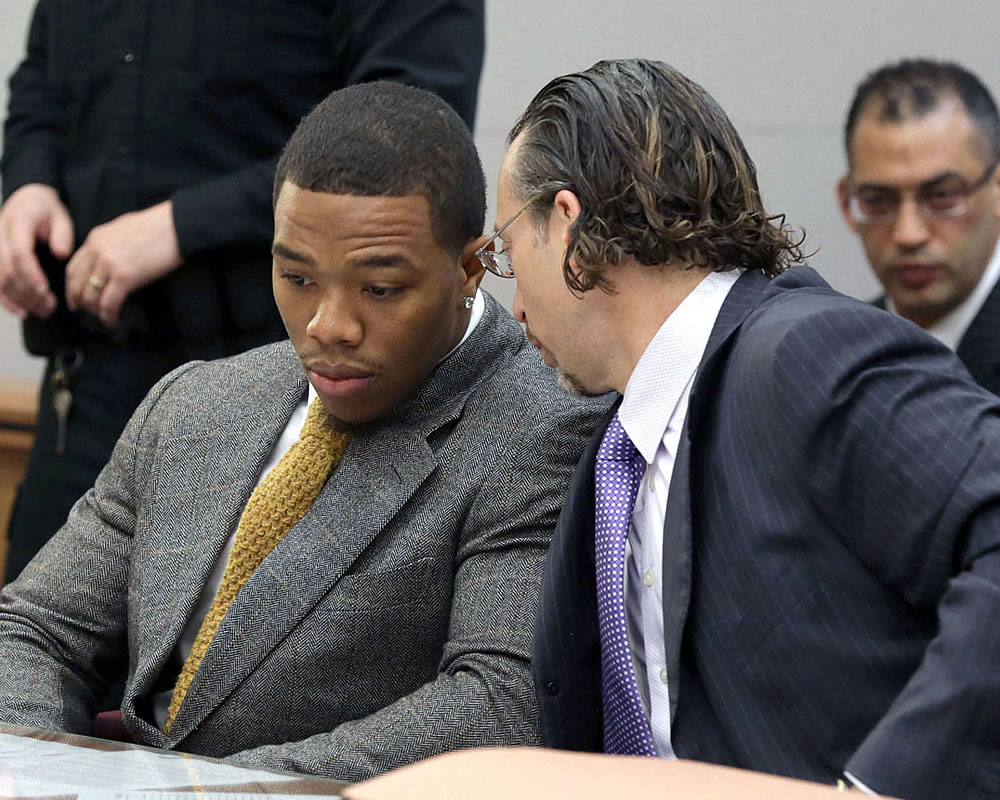
Baltimore Ravens running back Ray Rice will be allowed to enter a program to avoid prosecution in an alleged assault of his now-wife. Upon successful completion of the program — which will be a minimum of one year — the third-degree charge of aggravated assault causing serious bodily injury would be dismissed. The arrest would remain on his record, but with no conviction.We were concerned that Mr. Rice would be treated more harshly because of his celebrity status. We are thankful that he was not. We are thankful that he was given the same treatment as anyone else in a similar situation.
- Michael J. Diamondstein
John Gallagher, founder of Gallagher Law in Philadelphia, has been indicted in federal court alongside other executives associated with aerospace startup Theia Group Inc. The indictment alleges involvement in a scheme where Theia falsely claimed plans to launch over 100 satellites for global surveillance, raising more than $250 million through fraudulent means. Gallagher, who served on Theia's board and as an executive vice president, is specifically accused of aiding founder Erlend Olson in financial misconduct and tax evasion activities. Gallagher, who specializes in space and satellite technology law, denies wrongdoing and intends to vigorously defend against these charges.“He [Gallagher] is a patriot, and we intend to vigorously defend his good name.”
- Michael Diamondstein
DT had spent three years in jail and was facing lifetimes more for multiple counts of child rape in Pennsylvania and Maryland. But Michael Diamondstein’s thorough investigation and strategic cross-examination forced prosecutors to withdraw their case mid-jury trial.“Michael Diamondstein is the best lawyer on Earth. He saved my life.”
- DT
Mark Young had been serving a life sentence for what prosecutors say was his role as a coconspirator in a 1974 bar robbery that ended in the shooting death of a patron. The 67-year-old Young, who maintained his innocence for almost 50 years, is now slated to be released from prison after a negotiated guilty plea. The judge vacated Young’s previous conviction and sentence.“The district attorney recognized the inequities in the case and we are thankful for the compassion and justice they decided was appropriate.”
- Michael Diamondstein
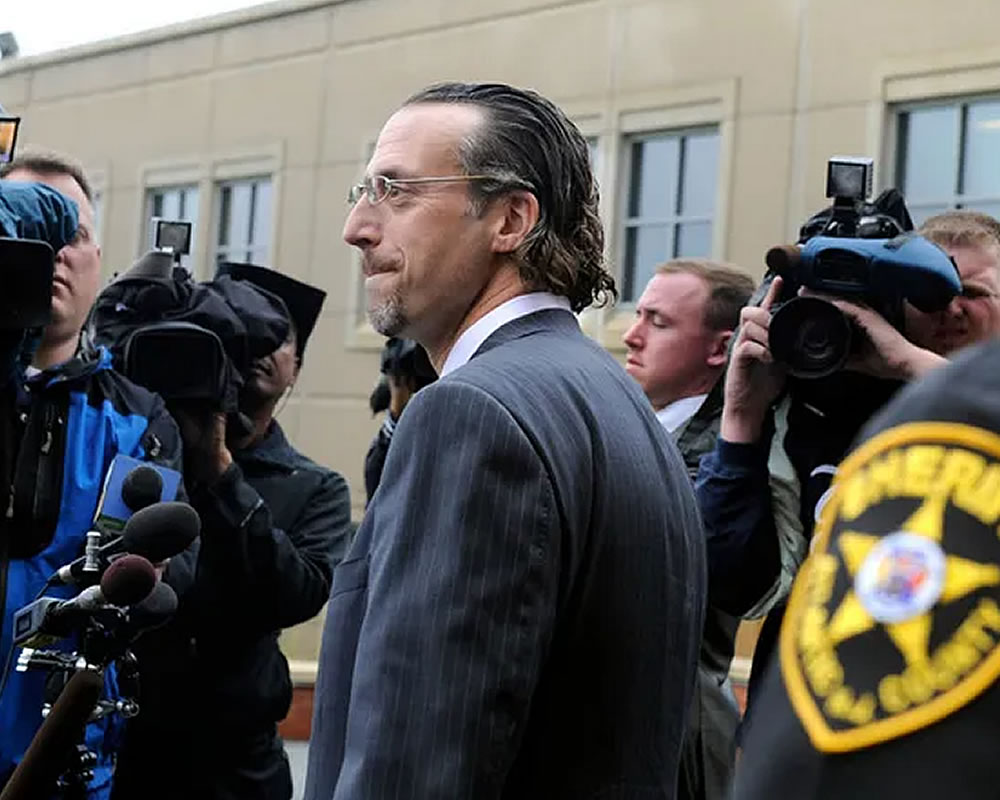
Willie Stokes's release comes after the U.S. District Court for the Eastern District of Pennsylvania vacated his murder conviction, concluding that the state violated Stokes's constitutional rights by "withholding" crucial evidence about the false testimony of a key witness in the case, according to court documents.He took his first free breaths this afternoon after almost 40 years, and he is very happy and humbled.
- Michael J. Diamondstein
Despite that fact that multiple videos showed local rap singer, Monte Small Atwell aka Benjy killing the decedent, a Philadelphia jury found Mr. Atwell Not Guilty of Murder. The video clearly showed that the unarmed decedent was chasing Mr. Atwell. Mr. Atwell’s attorney, Michael Diamondstein litigated a very effective self-defense case. After a number of withering cross examinations and a closing wherein Mr. Diamondstein exhorted the jurors that his client “would rather be judged by 12 than carried by 6” the jury agreed that Mr. Atwell’s actions were justified.Mr. Diamondstein saved my life. He is the best there is.
- Monte Small Atwell aka Benjy
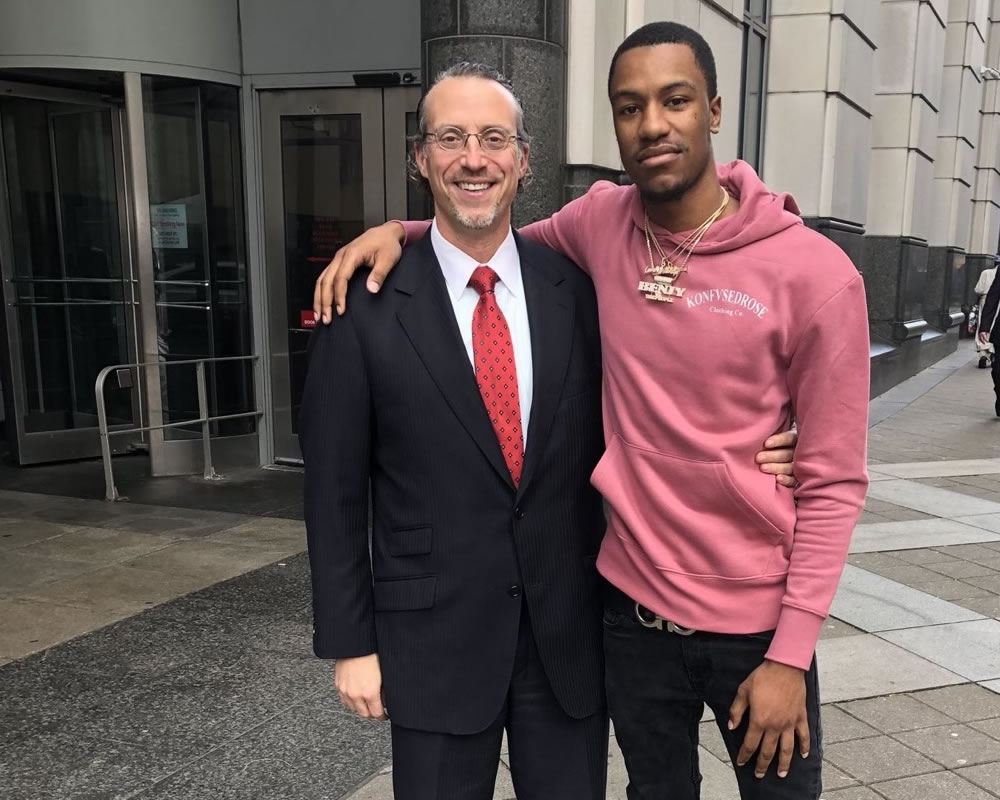
Six members of an elite Philadelphia narcotics squad were acquitted of federal corruption charges – a verdict the men described as “vindication” after nearly a decade of federal scrutiny surrounding their conduct. A jury of six men and six women took 5 1/2 days to reject prosecutors’ arguments that former Officers Thomas Liciardello, Brian Reynolds, Michael Spicer, Perry Betts, Linwood Norman, and John Speiser routinely beat and robbed drug suspects during their time as members of the Narcotics Field Unit.The things that were said about these honorable men and police officers over the last eight to 10 months were ridiculous. A lot of people in this city owe these heroes an apology.
- Michael J. Diamondstein
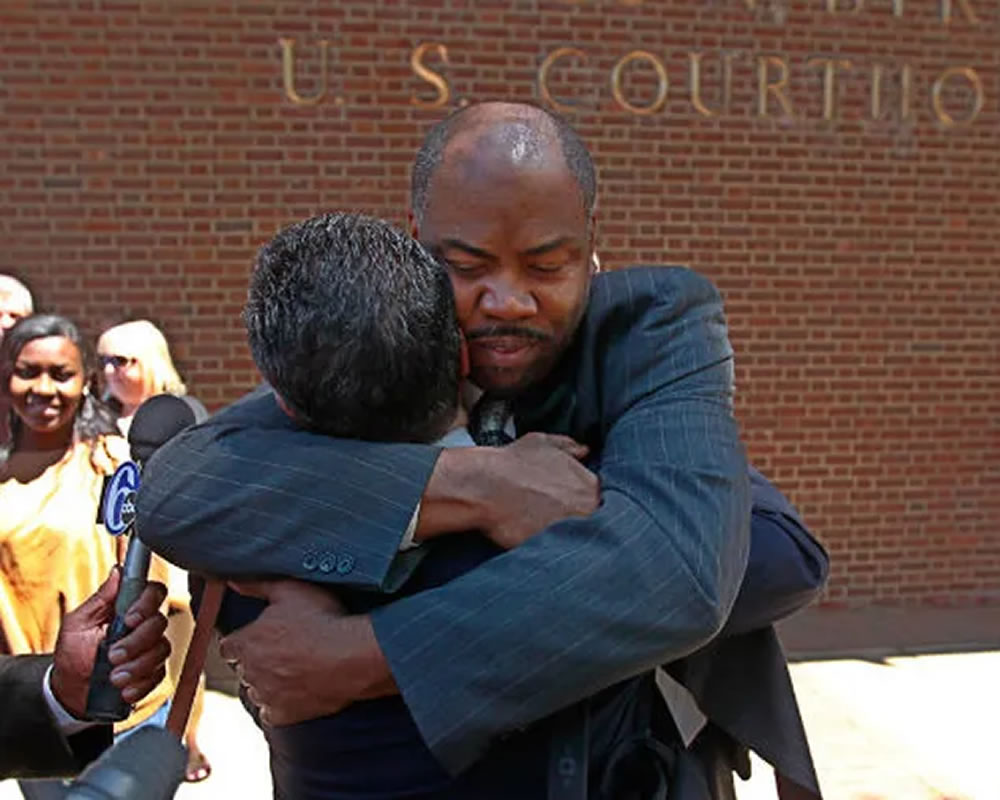
Philadelphia District Attorney Seth Williams pleaded not guilty to 23 counts of fraud, extortion, and bribery-related charges. But the problems of the city’s cash-strapped top prosecutor continued to mount outside the courtroom, a day after federal authorities accused him of repeatedly selling his influence to wealthy benefactors willing to bankroll his luxury tastes.This indictment is 24 hours old and yet too many politicians and commentators have already tried and convicted Seth Williams in the media. Simply because the government makes explosive allegations in a complaint doesn’t mean they’re going to prove it in a court of law.
- Michael J. Diamondstein
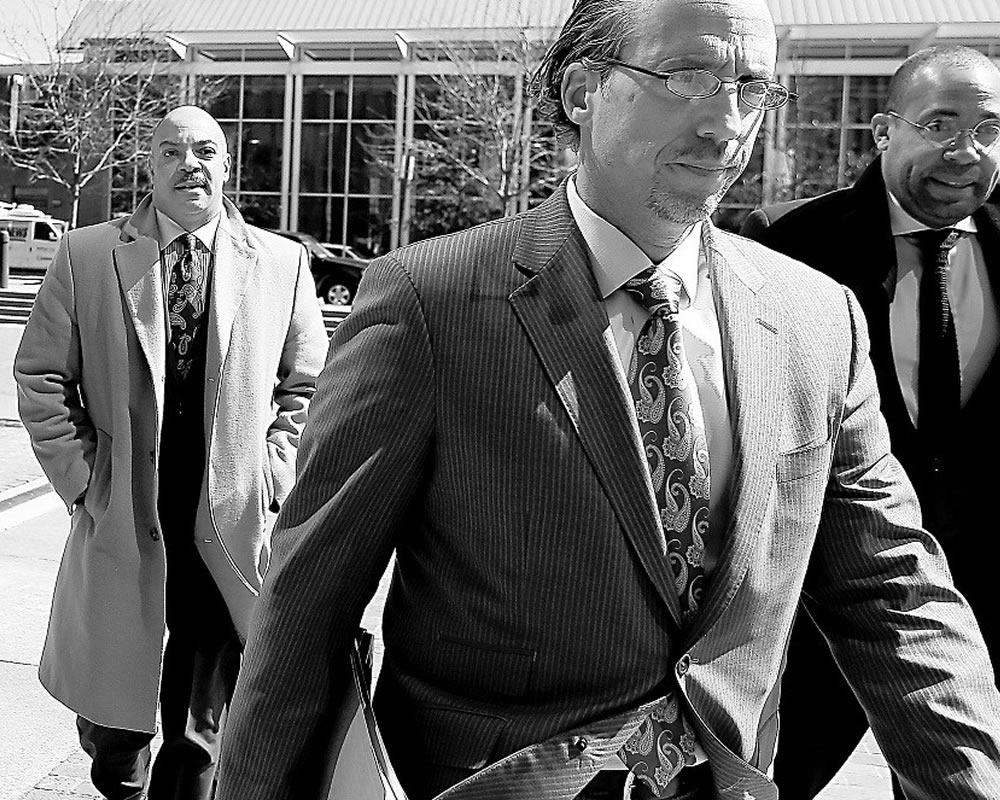
It's 8:00 on a September morning but Michael Diamonstein has already been in his office for hours. A criminal defense lawyer, Diamondstein likes to be prepared before he goes to court. That preparation paid off to get an innocent man cleared of all charges.The man gave me my life back.
- Yusef Bey
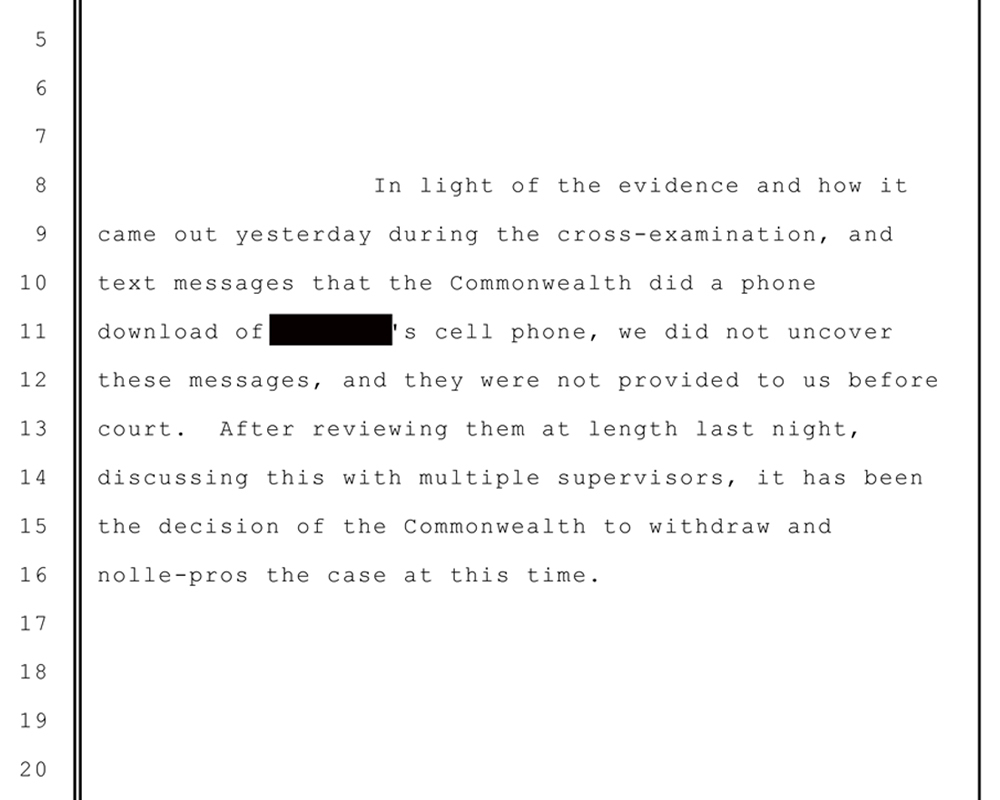
With evidence missing and the investigation tainted by the involvement of a detective who pleaded guilty to impeding justice, the District Attorney’s Office has withdrawn murder charges against a 28-year-old man, Dante Hill, in a 2011 shooting outside a North Philadelphia sports bar.Tremendous day, not only for Mr. Hill but for the entire Philadelphia justice system.
- Michael J. Diamondstein
Michael Diamondstein argued the original jail sentence is illegal because the previous judge assigned the case failed to address if Risoldi was eligible for re-entry, which would allow her to be released from jail early.Diamondstein added that Berks County Senior Judge Stephen Lieberman, who is now overseeing the case, has authority to reconsider the sentence made by the previous judge, who retired last year.