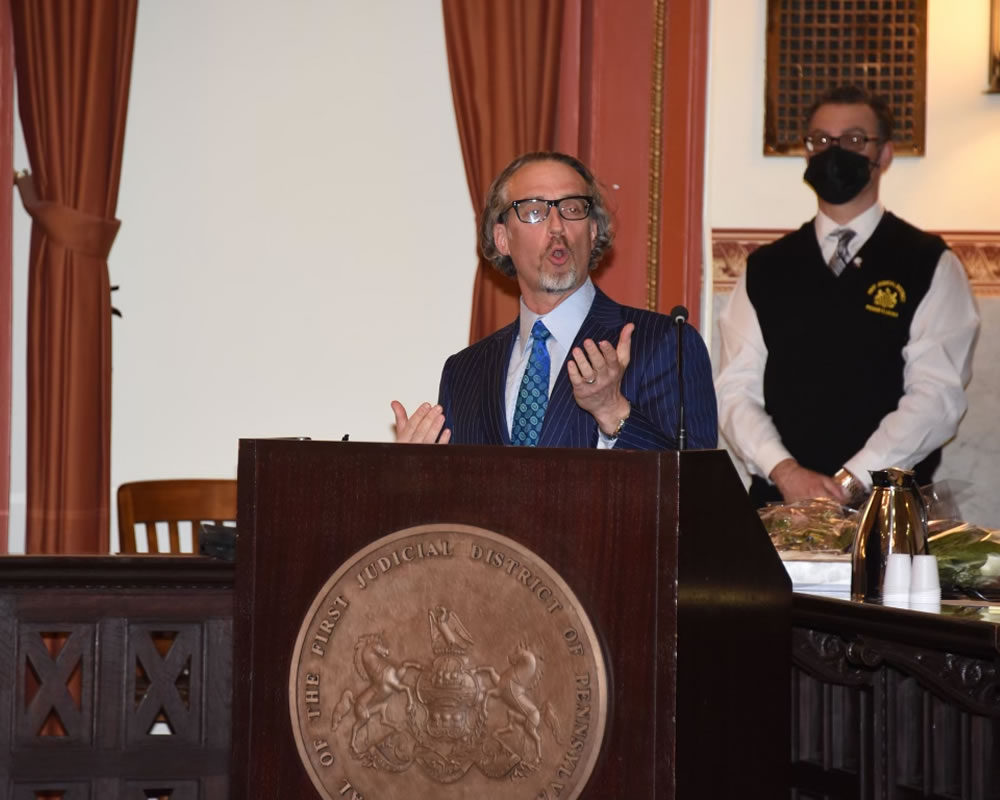
Criminal trials in Philadelphia have gotten off to a rocky start with two cases delayed over safety concerns, and an ultimatum last week from the Defender Association of Philadelphia threatening to no longer staff jury trials unless they are given a date certain for when defense attorneys will receive vaccinations.
While those immediate tensions appear to have subsided, with the Defender Association saying they are in talks over the concerns, many criminal defense attorneys are still worried about safety.
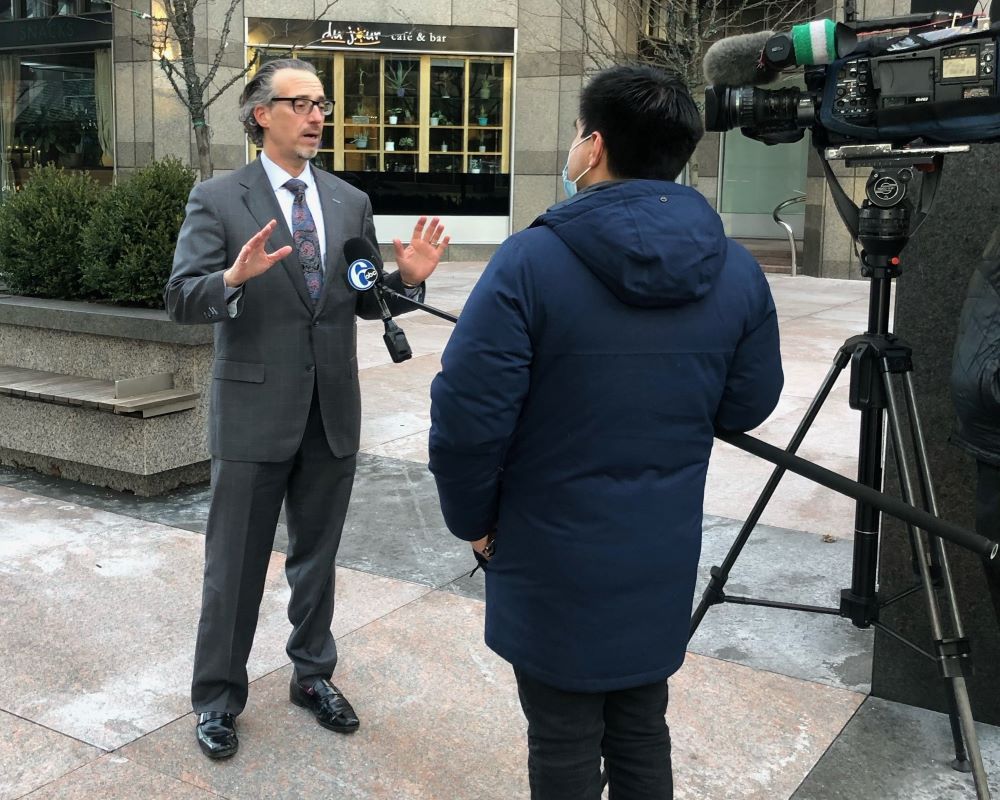
“While many judges are doing the best that they can, the system cannot work until all parties are safely protected. Court staff, lawyers and the public are in constant jeopardy,” attorney Michael Diamondstein said. “There are simply too many moving parts for courts to function safely when the public is involved.”
Earlier this month, one of Diamondstein’s clients was exposed to an incarcerated person who had tested positive for COVID-19 while the client was on his way to trial, which led to potential exposures of attorneys and court staff and led the trial to be postponed. The incident was first reported by WHYY.
A spokesman for the court confirmed that two trials have been postponed for medical reasons since jury trials were set to restart beginning March 1.
The incidents have fueled frustrations and concerns, leaving some attorneys to call for increased use of videoconferencing technology and others to question whether more needs to be done to ensure safety.
However, there are some signs that safety concerns are being addressed.
Chief Public Defender Keir Bradford-Grey issued a statement March 10 to court leadership and city officials asking for “a definitive, time-specific commitment” for when staff attorneys for the Defender Association would be vaccinated.
“Absent this commitment, we feel we have no choice but to take the initial step of refraining from staffing jury trials until we have support from the Health Department as an immediate priority group and are able to take part in the existing vaccination clinics,” she said.
Later in the week, an email circulated among the defense bar saying that an arrangement had been made with a private provider where defense attorneys could be considered for 1B classification due to their work in congregate care settings—namely having to visit prisons.
However, when reached for comment about the agreement, a spokesman for the Defender Association said the group was still in talks about the vaccines. And a spokesman for the Mayor’s Office said all members of the legal profession, including criminal defense attorneys, are still in the 1C classification for vaccines, but also noted that some lawyers can be in the 1B classification because of their age or risk factors.
A court spokesman said also, “It would be premature to speculate about any potential scheduling issues that may arise.”
Still, despite the mixed messages, several defense attorneys are hopeful they will be receiving vaccines soon.
“They need us criminal defense attorneys to move these cases,” defense attorney Troy Wilson said. “Until you can help us to feel good about getting vaccinations, this problem is not going to get resolved.”
According to court spokesman Gabriel Roberts, each courtroom of the four courtrooms being used for trials at the Juanita Kidd Stout Center for Criminal Justice has been outfitted with Plexiglass and social distancing markers. Jurors are sitting in the jury box and gallery of the courtroom to ensure social distancing.
Exhibits can be presented both in person and through video monitors, Roberts said, and juries will deliberate in an adjacent courtroom that allows for social distancing. The public will not be allowed into the trial courtrooms, but can watch the proceedings in designated courtrooms where the trials will be shown through video.
Jury selection is taking place Monday through Thursday, with a total of 120 people being called each day, Roberts said.
Since the two trials were postponed earlier this month, the city announced it would begin rapid testing of all incarcerated people before their court dates, according to WHYY.
Attorneys, however, have raised concerns over what they see as a lack of information coming out of the court regarding when someone tests positive for COVID. Roberts, however, said the court has developed a contact-tracing program to notify people of potential exposure if they come within six feet of an infected person for 15 minutes or more.
More generally, attorneys also said there is also a lack of uniformity when it comes to which proceedings can be done virtually and which must be done in person, and that confusion is fueling frustrations. Some judges, according to attorneys, are requiring lawyers to appear for bail cases and when all parties agreed to a continuance, forcing them to come to a building when safety concerns continue to linger.
“I don’t know if some judges are taking seriously that these silly things are risking your health,” defense attorney Marni Jo Snyder said. “It’s like we’re being treated not like human beings, but like lawyer machines.”
See what the local and national media are saying about Michael Diamondstein and his cases.
Baltimore Ravens running back Ray Rice will be allowed to enter a program to avoid prosecution in an alleged assault of his now-wife. Upon successful completion of the program — which will be a minimum of one year — the third-degree charge of aggravated assault causing serious bodily injury would be dismissed. The arrest would remain on his record, but with no conviction.We were concerned that Mr. Rice would be treated more harshly because of his celebrity status. We are thankful that he was not. We are thankful that he was given the same treatment as anyone else in a similar situation.
- Michael J. Diamondstein
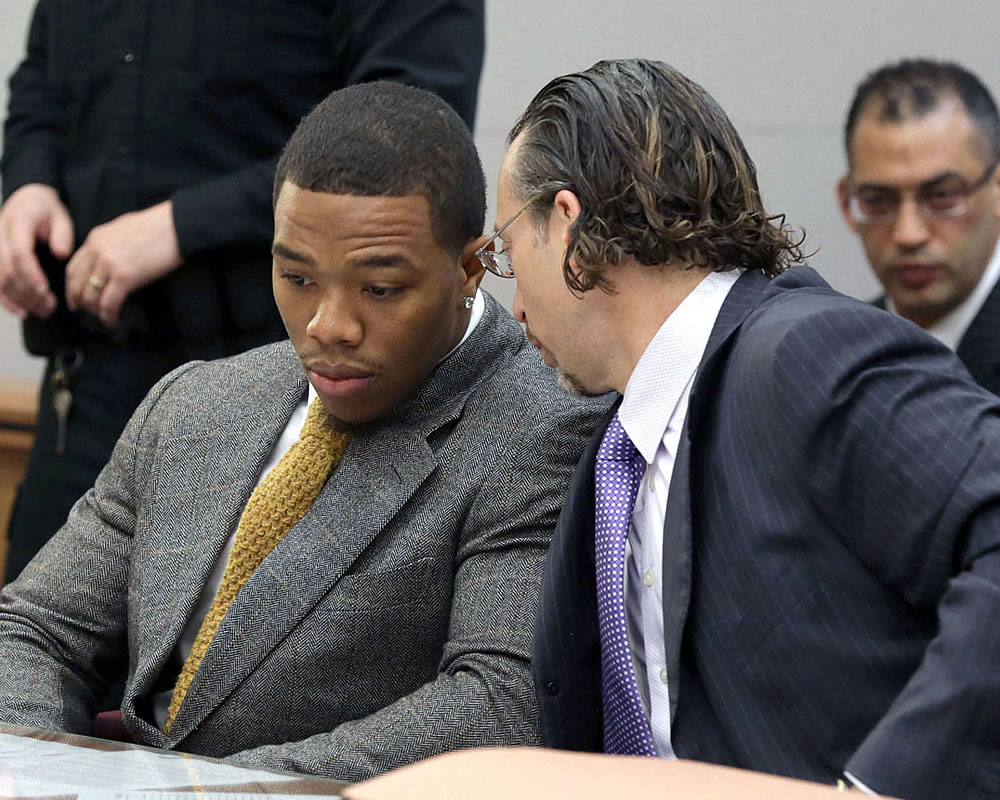
John Gallagher, founder of Gallagher Law in Philadelphia, has been indicted in federal court alongside other executives associated with aerospace startup Theia Group Inc. The indictment alleges involvement in a scheme where Theia falsely claimed plans to launch over 100 satellites for global surveillance, raising more than $250 million through fraudulent means. Gallagher, who served on Theia's board and as an executive vice president, is specifically accused of aiding founder Erlend Olson in financial misconduct and tax evasion activities. Gallagher, who specializes in space and satellite technology law, denies wrongdoing and intends to vigorously defend against these charges.“He [Gallagher] is a patriot, and we intend to vigorously defend his good name.”
- Michael Diamondstein
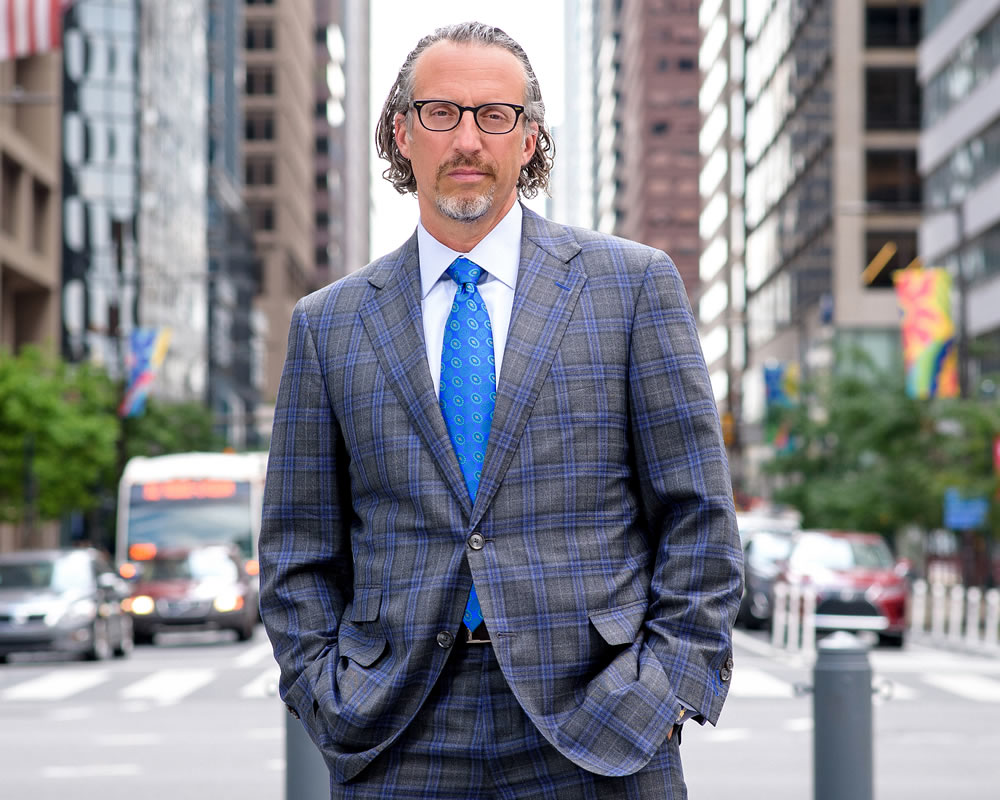
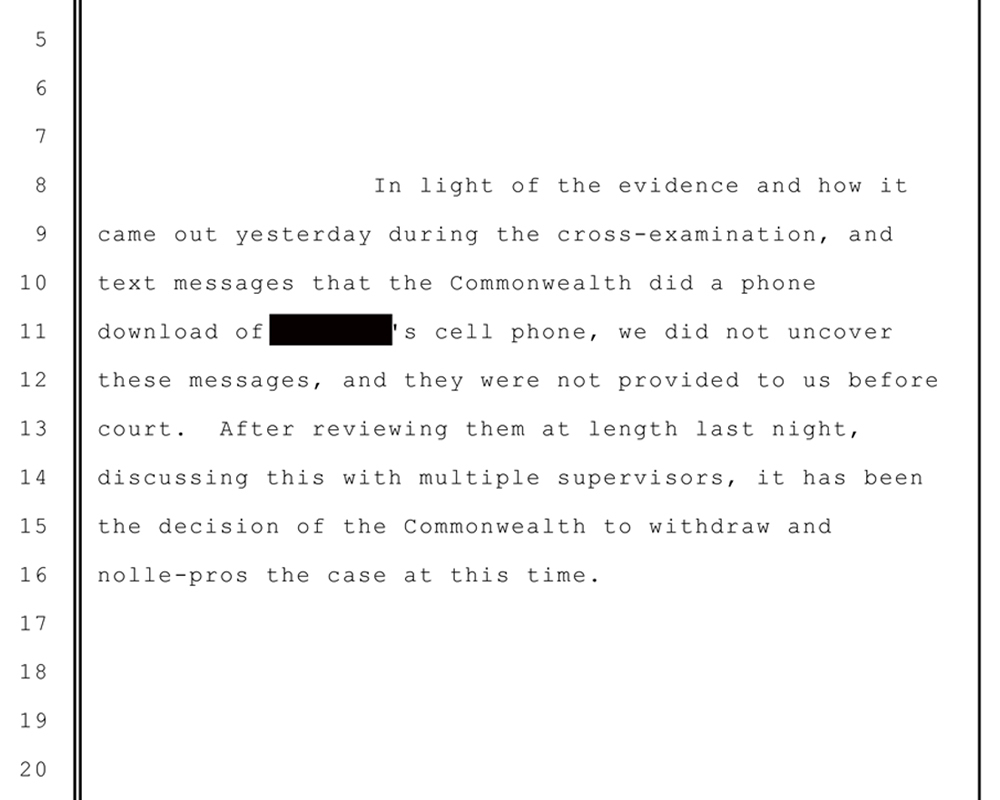
DT had spent three years in jail and was facing lifetimes more for multiple counts of child rape in Pennsylvania and Maryland. But Michael Diamondstein’s thorough investigation and strategic cross-examination forced prosecutors to withdraw their case mid-jury trial.“Michael Diamondstein is the best lawyer on Earth. He saved my life.”
- DT
Mark Young had been serving a life sentence for what prosecutors say was his role as a coconspirator in a 1974 bar robbery that ended in the shooting death of a patron. The 67-year-old Young, who maintained his innocence for almost 50 years, is now slated to be released from prison after a negotiated guilty plea. The judge vacated Young’s previous conviction and sentence.“The district attorney recognized the inequities in the case and we are thankful for the compassion and justice they decided was appropriate.”
- Michael Diamondstein
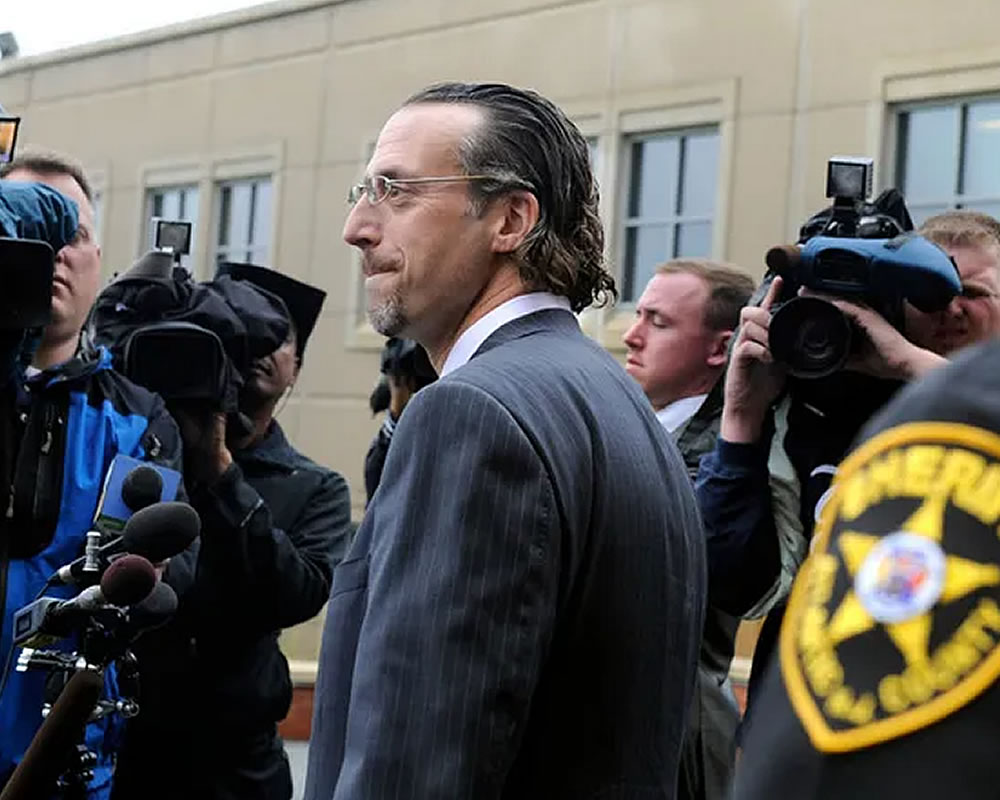
Willie Stokes's release comes after the U.S. District Court for the Eastern District of Pennsylvania vacated his murder conviction, concluding that the state violated Stokes's constitutional rights by "withholding" crucial evidence about the false testimony of a key witness in the case, according to court documents.He took his first free breaths this afternoon after almost 40 years, and he is very happy and humbled.
- Michael J. Diamondstein
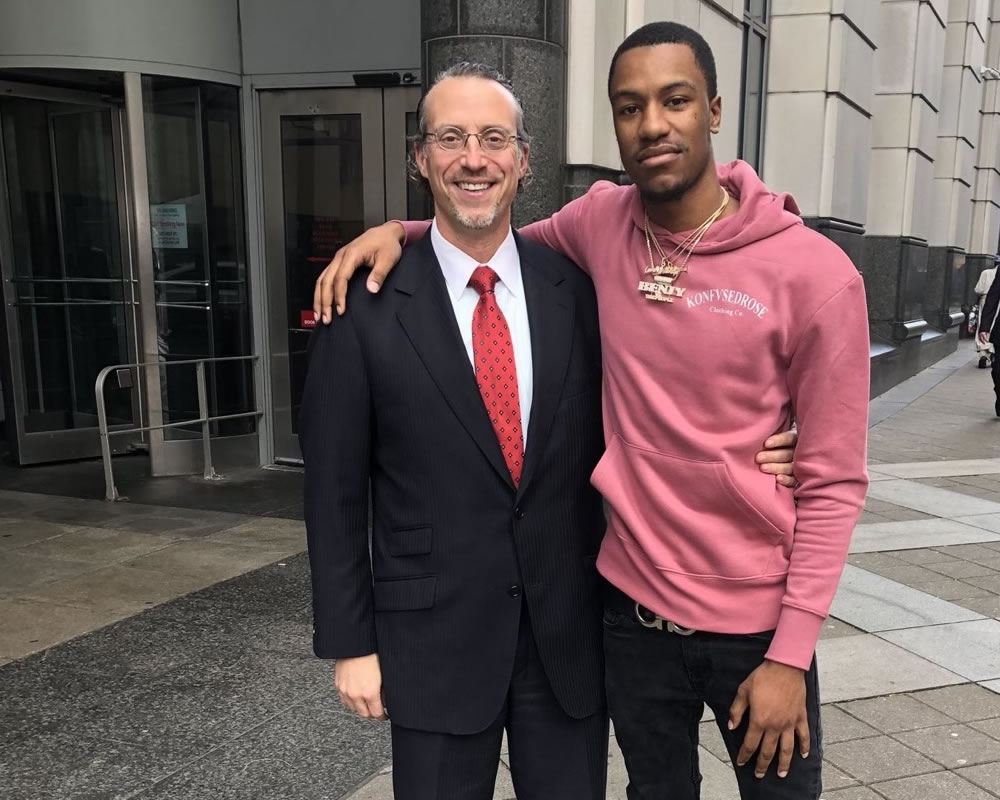
Despite that fact that multiple videos showed local rap singer, Monte Small Atwell aka Benjy killing the decedent, a Philadelphia jury found Mr. Atwell Not Guilty of Murder. The video clearly showed that the unarmed decedent was chasing Mr. Atwell. Mr. Atwell’s attorney, Michael Diamondstein litigated a very effective self-defense case. After a number of withering cross examinations and a closing wherein Mr. Diamondstein exhorted the jurors that his client “would rather be judged by 12 than carried by 6” the jury agreed that Mr. Atwell’s actions were justified.Mr. Diamondstein saved my life. He is the best there is.
- Monte Small Atwell aka Benjy
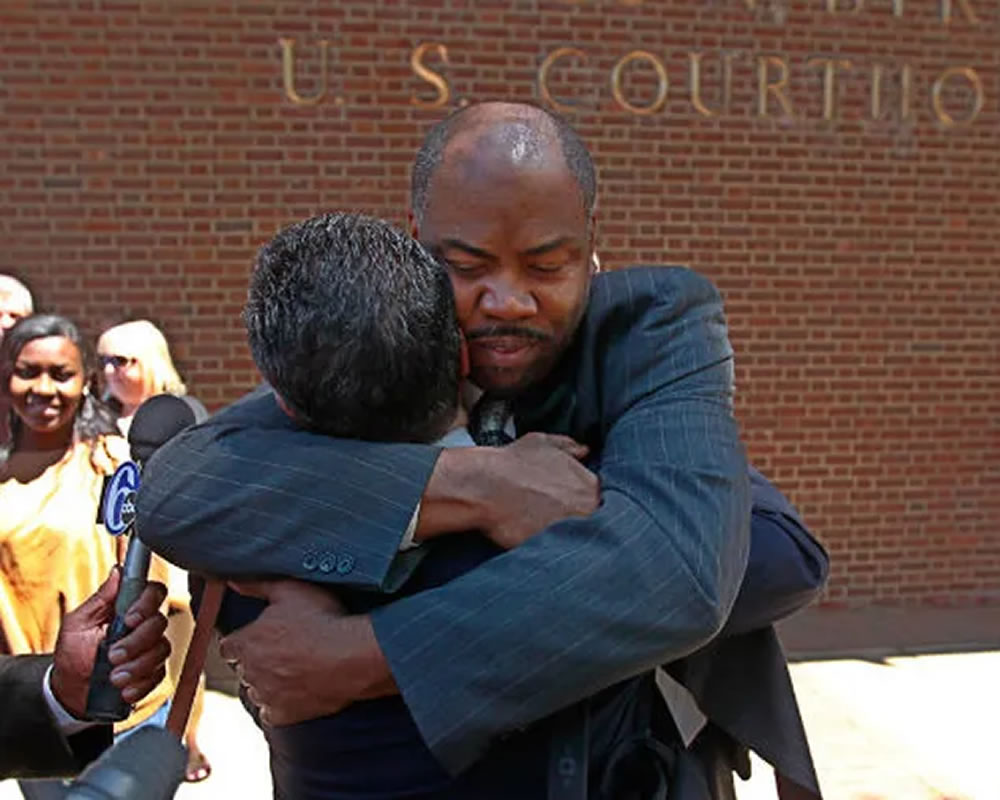
Six members of an elite Philadelphia narcotics squad were acquitted of federal corruption charges – a verdict the men described as “vindication” after nearly a decade of federal scrutiny surrounding their conduct. A jury of six men and six women took 5 1/2 days to reject prosecutors’ arguments that former Officers Thomas Liciardello, Brian Reynolds, Michael Spicer, Perry Betts, Linwood Norman, and John Speiser routinely beat and robbed drug suspects during their time as members of the Narcotics Field Unit.The things that were said about these honorable men and police officers over the last eight to 10 months were ridiculous. A lot of people in this city owe these heroes an apology.
- Michael J. Diamondstein
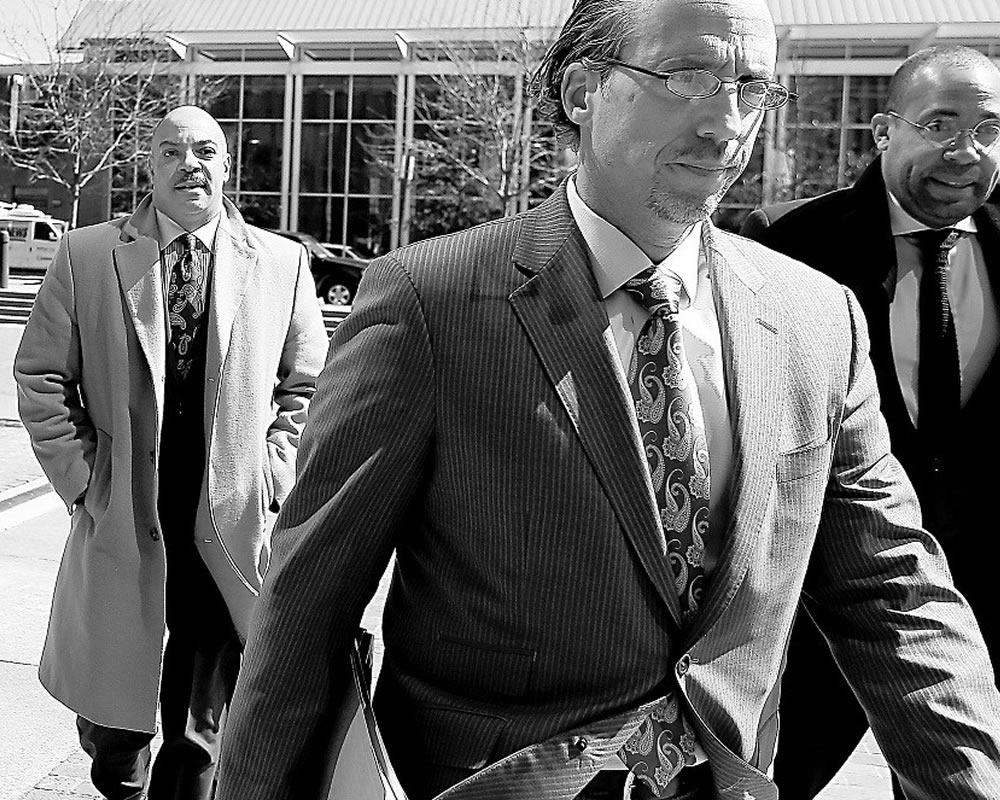
Philadelphia District Attorney Seth Williams pleaded not guilty to 23 counts of fraud, extortion, and bribery-related charges. But the problems of the city’s cash-strapped top prosecutor continued to mount outside the courtroom, a day after federal authorities accused him of repeatedly selling his influence to wealthy benefactors willing to bankroll his luxury tastes.This indictment is 24 hours old and yet too many politicians and commentators have already tried and convicted Seth Williams in the media. Simply because the government makes explosive allegations in a complaint doesn’t mean they’re going to prove it in a court of law.
- Michael J. Diamondstein
It's 8:00 on a September morning but Michael Diamonstein has already been in his office for hours. A criminal defense lawyer, Diamondstein likes to be prepared before he goes to court. That preparation paid off to get an innocent man cleared of all charges.The man gave me my life back.
- Yusef Bey
With evidence missing and the investigation tainted by the involvement of a detective who pleaded guilty to impeding justice, the District Attorney’s Office has withdrawn murder charges against a 28-year-old man, Dante Hill, in a 2011 shooting outside a North Philadelphia sports bar.Tremendous day, not only for Mr. Hill but for the entire Philadelphia justice system.
- Michael J. Diamondstein
Michael Diamondstein argued the original jail sentence is illegal because the previous judge assigned the case failed to address if Risoldi was eligible for re-entry, which would allow her to be released from jail early.Diamondstein added that Berks County Senior Judge Stephen Lieberman, who is now overseeing the case, has authority to reconsider the sentence made by the previous judge, who retired last year.